
When you’re struggling with a drug dependency or addiction and are desperate to overcome it, choosing a suitable treatment option is of the utmost importance.
To choose the safest journey to a sober life, you must know the differences between all available alternatives. One of the most common options you will come across is a 7-day drug detox program.
Read this article and learn what this program is about, how it differs from other detox options, and what to expect before, during, and after this treatment. You will also discover which types of drug detox will provide you with the best chance of success and eliminate the chance of relapse.
What is Drug Detox?
After a person stops taking a drug, their body goes through a natural elimination process known as drug detox.
Sometimes, a drug detox can involve medical intervention, known as a “professional drug detox program” or a “medically managed withdrawal.” Such a process can help patients safely manage any uncomfortable side effects, such as the symptoms of withdrawal.
Even though the terms “rehab” and “detox” are often used interchangeably, they are, in fact, two different steps within the drug recovery process.
Medical detox centers try to get patients to a place where they are stable from a medical point of view. This is done to reduce withdrawal symptoms and their possible harmful effects. How long an individual needs to stay in a medical detox center depends on various factors, but the most common options are 3-, 5-, 7-, and 10-day detoxes.
When the detox is complete, the patient is often transitioned into a rehabilitation program. The program typically includes several forms of care that focus on psychologically and socially rehabilitating someone who has suffered from an opioid use disorder.

Factors to Consider When Seeking Drug Detox
Some important factors you might want to keep in mind when choosing the drug detox center are:
- How long will it take? The amount of time a person needs to fully detox differs for each individual and depends on several factors, including medical and drug use histories.
- How much does the program cost? Depending on your budget, some detox programs might not be in your price range. The price usually depends on how long the program is, what additional services a detox facility offers, etc.
- Any medical problems that might complicate the detox process? If you suffer from any health issues, they can complicate your drug detox process. People who suffer from opioid use disorder often have several other medical conditions, such as cardiovascular, gastrointestinal, respiratory, and neurological issues, resulting from drug use.
- What level of care do you think you will need? Detox programs can be classified into several categories, including medical, residential, and outpatient ones. With this in mind, you must determine which of these options would be best for you based on the sensitivity of the situation. Additionally, you will want to consider the medical staff at each facility and whether or not you think they will be a good fit for you and your healing process.
3-, 5-, 7-Day Drug Detox: How Long Does it Take?

The time it takes for an individual to detox from opioids can depend on several factors, such as:
- What type of drug(s) they use
- How long they have been using the drug
- How often they used the drug
- How old they are
- What their gender is
- Their medical history and current health conditions
While the detox duration can be different for everyone, it typically takes between three and ten days to detox from a drug completely.
Depending on the circumstances and the factors mentioned above, you can choose among 3-, 5-, 7-, and 10-day detox programs.
- 3-day programs. A 3-day detox can also be referred to as an “ultra-rapid” detox. It often includes general anesthesia and other prescribed medications, such as buprenorphine or naltrexone, which are supposed to shorten the withdrawal period.
- 5-day programs. A 5-day opioid detox is considered a “rapid detox.” This type of detox program typically includes opiate blockers and other medications like methadone and Subutex®. In most cases, the patient will be supervised by professionals who will take care of them, keeping them comfortable during the procedure.
- 7-day programs. A 7-day rapid drug detox allows enough time for the body to naturally detox from the drug. During the process, professionals supervising the patient will be focused on helping them remain as comfortable as possible while enduring withdrawal symptoms and cravings. In some cases, suboxone may be administered to help reduce the risk of relapse.
- 10-day programs. After a 10-day detox, a patient’s body will be drug-free of most drugs, and all withdrawal symptoms and cravings should pass. To maximize the effects of this type of detox, the patient can continue their recovery by attending some form of rehabilitation or receive behavioral and/or psychological counseling.
What Happens During a 7-Day Drug Detox?
The 7-day drug detox center typically breaks the process down into four main categories. These include medical assessment, detox, stabilization, and ongoing counseling.
#1. Medical Assessment
A thorough medical assessment will help physicians understand a patient’s specific needs and create a treatment plan that will work best for them. They will also take into consideration any existing medical conditions or mental health diagnoses.
The assessment is very detailed and comprehensive, and its purpose is to help caregivers gain as much information as they can to better meet the patient’s individual needs.
A few examples of questions patients can expect to be asked include:
- How long have you been using the drug?
- Were you using more than one substance at a time on a regular basis?
- Do you have a family history of substance abuse?
- Have you ever been diagnosed with a mental illness?
#2. Detox
The detoxification process starts when the body begins to eliminate opioids. Once it happens, the patient usually experiences some withdrawal symptoms, as well as intense cravings for the drug.
Even though this can be rather uncomfortable, the medical professionals assisting the patient do their best to keep them as comfortable as possible.
#3. Stabilization
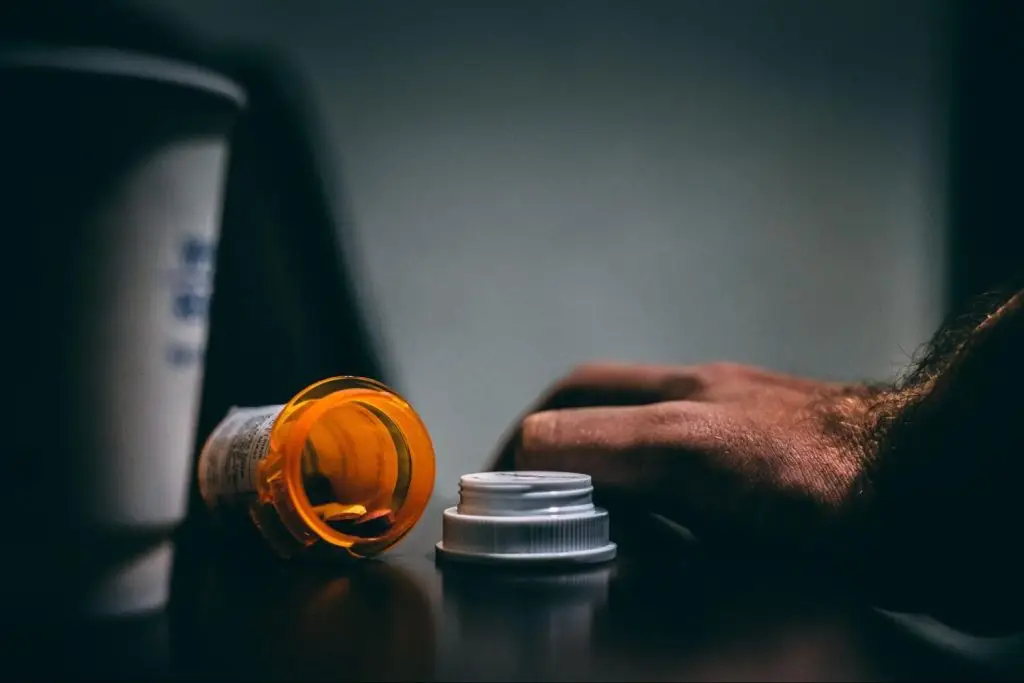
The stabilization phase is typically the longest one. During this process, physicians and caregivers will continue to monitor the patient and treat any symptoms of withdrawal that may emerge later. These symptoms may include nausea, vomiting, excessive sweating, chills, irritability, difficulty sleeping, a runny nose, and more.
The goal of this phase is to keep the patient healthy and prevent medical complications until the symptoms of withdrawal have completely subsided. That being said, it’s important to note that this is a very critical phase of the detoxification process. This is usually when patients begin to feel overwhelmed and are most likely to drop out of the program.
#4. Ongoing Counseling
Throughout this phase, the patient will continue working on their recovery by developing skills and tools that will help them prevent relapse. This phase can occur in an inpatient or outpatient facility.
It is during this time that the patient gradually acclimates themselves back into a normal drug-free day-to-day life. To do it more easily, they can start attending counseling sessions with different professionals who specialize in addiction.
They may also attend group therapy sessions with peers who are going through a similar experience.
Next Steps After a 7-Day Drug Detox
Once you have completed the 7-day drug detox process, it is best for you to continue seeking treatment.
There are a few different options when it comes to participating in a rehabilitation program. These include:
- Returning home and attending an outpatient rehabilitation program. Returning home might sound like the most comfortable idea, but it increases your risk of relapse. Therefore, doing this can make your rehabilitation process far more difficult.
- Transitioning into an inpatient rehabilitation program. This is the most recommended option by addiction professionals. It is often the best option for anyone trying to overcome an opioid use disorder, no matter the severity of their addiction.
- Transitioning or moving into a sober living home. This might be a good option for those struggling with a mild opioid use disorder or those who want a good chance at recovery without feeling like they are in a clinical care facility. While living in a sober living home, you can still participate in intensive outpatient treatment to ensure long-term results.
ANR Treatment: A Better Alternative to Drug Detox

Although the 7-day drug detox program has been effective for some, this is not the case for everyone. The downfall of this detox program is that it doesn’t actually treat the root cause of addiction, and this is exactly what sets the Accelerated Neuro-Regulation (ANR) approach apart from the rest.
The ANR treatment approaches opioid addiction from a scientifically based medical perspective. It was developed by Dr. Andre Waismann and has helped over 24,000 people overcome their opioid use disorder without experiencing any withdrawal symptoms or strong drug cravings.
On average, the ANR procedure only requires a 36-hour hospital stay. During this time, you will be put under sedation and given medication to precipitate your withdrawals. While under sedation, you will be monitored by an anesthesiologist and a team of critical care specialists for 4–6 hours. During this process, the physician will regulate the opioid receptors and endorphin levels in your central nervous system in order to return them to a pre-addiction state.
After the sedation period is over, the doctors will keep an eye on your opioid receptor and endorphin levels and adjust them as needed.
You can read what our patients are saying here.
ANR Opioid Dependence Treatment
Accelerated Neuro-Regulation is the only opioid addiction and dependence treatment available that allows you to avoid active withdrawal and helps you return to a normal life without cravings and a constant fear of relapsing.
Having all this in mind, it’s safe to say that the ANR treatment has demolished the old, conventional ways of treating opioid dependency, giving new-found hope to anyone struggling to overcome substance use disorder.
If you or someone you love has been struggling with opioid dependency, we invite you to contact us today to learn more about getting started. You can reach out to us via email at contact@anrclinicus.com or via phone at (813) 296-5234.
Key Takeaways
Once you decide to kick your opioid dependence to the curb, you may face a wide choice of treatment options. Most of them include detox programs that can last anywhere from three to ten days and that are usually followed by an inpatient or outpatient rehabilitation program.
ANR offers a modern, medical approach to overcoming your substance use disorder, eliminating the most difficult parts of detoxing. This improves your chances of successfully living a sober life of normalcy. Schedule your free consultation today to get started!
Related Articles
Anesthesia-Assisted Detox: Safety Concerns & Alternatives
What Happens During Inpatient Detox & How Long Does it Last?