
Kratom and alcohol are psychoactive substances that have a similar mechanism of action—both act as stimulants at low doses and produce depressant effects when taken in high doses.
However, combining them is never safe. Mixing kratom and alcohol can have disastrous consequences, ranging from side effects like vomiting to a potentially fatal drug overdose.
This article will discuss the interaction between kratom and alcohol in greater detail, exploring the effects this drug combination can have on both your physical and mental health.
What Is Kratom?
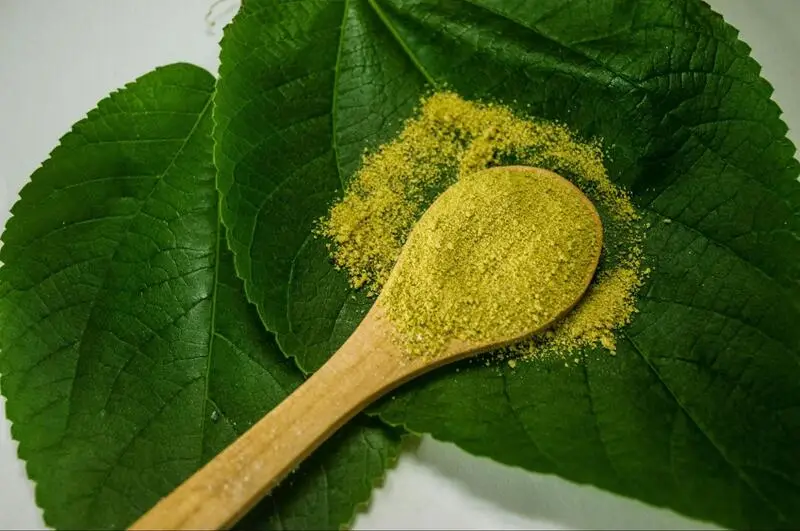
Kratom is a natural substance with psychoactive effects derived from the leaves of Mitragyna speciosa, a Southeast Asian evergreen tree belonging to the coffee family. Though its leaves contain dozens of alkaloids, mitragynine, and 7-hydroxymitragynine are its main psychoactive compounds.
Although it remains unregulated in most states and hasn’t been approved for any medical purposes, kratom is rapidly gaining popularity in the United States due to its mind-altering effects.
At low doses, kratom acts as a stimulant, increasing energy and alertness. Larger doses, meanwhile, produce opioid-like effects, such as sedation and deep relaxation.
Kratom is usually sold as an herbal supplement in tablet, capsule, or extract forms. Even though the FDA advises against its use, it is often marketed as a remedy for:
- Pain
- Diabetes
- Coughing
- Depression
- Opioid withdrawal
- Opioid use disorder (OUD)
However, whether or not kratom is useful for any of these conditions remains up for debate due to a lack of scientific evidence. What is clear, however, is that kratom has addictive properties and can cause adverse effects, such as seizures and psychosis.
Kratom Usage in the USA
Here are some statistics that can help you better understand the extent of kratom use in the United States:
- Nearly 2 million Americans aged 12 or older used kratom in 2022.
- Between July 2016 and December 2017, 152 Americans lost their lives to a drug overdose involving kratom. Although most of these deaths also involved other substances, such as fentanyl and benzodiazepines, kratom was identified as the cause of death in nearly 60% of them.
- Between 2010 and 2015, the U.S. poison centers received 660 calls related to kratom exposure. Roughly 35% of these calls also reported the use of other substances, including alcohol, opioid painkillers, and acetaminophen, in combination with kratom.
- The rates of lifetime kratom use are highest among White, middle-class Americans. While men in this group are over three times more likely to use kratom during their lifetime compared to other demographics, White, middle-class women are nearly twice as likely to use it.
Side Effects of Using Kratom
Kratom can cause numerous side effects ranging from mild to potentially life-threatening, including:
- Dizziness
- Delusions
- Confusion
- Drowsiness
- Constipation
- Hallucinations
- Loss of appetite
- Increased sweating
- Nausea and vomiting
- Elevated blood pressure
Some side effects of kratom—such as psychosis, seizures, and slowed breathing—may require immediate medical attention. Taking kratom and drinking alcohol or mixing it with other substances enhances the risk of severe adverse effects.
Importantly, long-term kratom use may lead to tolerance, dependence, and addiction. It can also lead to liver damage.
Although there’s a lack of research on kratom and its effects, there’s no denying that using it is dangerous—and even more so during pregnancy. Like opioids, kratom increases the risk of neonatal abstinence syndrome (NAS), a condition that causes newborns to suffer from withdrawal symptoms.
How Long Do Kratom Effects Last?
Kratom effects last up to six hours, depending on the method of consumption, dosage, tolerance, metabolism, and other individual factors.
When taken in low doses, it produces stimulating effects lasting 2–4 hours. Larger doses produce sedating effects that usually fade away in 4 to 6 hours and, in some cases, even up to eight.
What Is Alcohol, and How Does It Work?
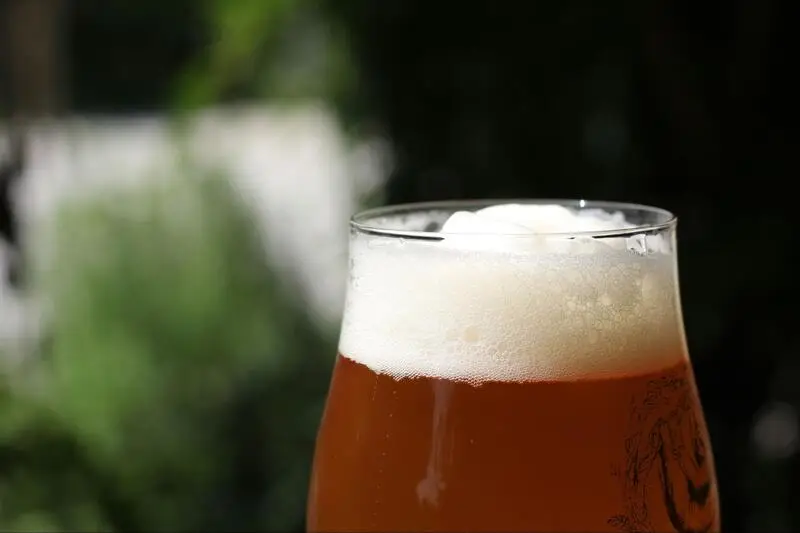
Alcohol (ethyl alcohol or ethanol) is a central nervous system (CNS) depressant found in alcoholic beverages, such as wine, beer, and spirits. It forms when yeast ferments the sugars in fruits, grains, or vegetables.
Although alcohol is classified as a CNS depressant, it produces stimulant effects at low doses, making you more energetic and outgoing. However, higher doses of alcohol suppress the CNS, leading to drowsiness, slowed reaction time, and impaired coordination.
Even though alcohol is legal in most countries, it can be very dangerous—especially with excessive or regular consumption. It is among the most frequently abused psychoactive substances worldwide.
Unfortunately, prolonged alcohol use and abuse may lead to alcohol use disorder (AUD), which can have fatal consequences.
Side Effects of Alcohol Use
Common short-term side effects of alcohol include:
- Dizziness
- Slurred speech
- Poor coordination
- Impaired judgment
- Lowered inhibitions
- Nausea and vomiting
Excessive alcohol use can also cause serious side effects like memory loss, impaired bladder control, and loss of consciousness. It also puts you at a high risk of accidents, injuries, and death.
Moreover, regularly consuming alcohol over a prolonged period increases the risk of:
- Cancer
- Liver damage
- Brain damage
- Weight changes
- Fertility problems
- High blood pressure
- Cognitive impairment
- Cardiovascular disease
- Alcohol use disorder (AUD)
- Substance abuse, including mixing alcohol with kratom and other drugs
On that note, let’s learn more about kratom and alcohol interaction.
Dangers and Risks of Mixing Kratom and Alcohol
Mixing kratom and alcohol constitutes polysubstance abuse and comes with considerable risks, such as overdose, exacerbation of mental health conditions, and physical health complications like liver damage. Taking them together enhances their depressant effects and increases the risk of adverse effects associated with both substances.
It’s also important to note that not much is known about kratom’s interaction with other drugs. As such, combining it with any substance, including alcohol, can have unpredictable outcomes.
Let’s take a closer look at the key dangers of mixing kratom and alcohol:
Combined Effects of Mixing Kratom and Alcohol
Both kratom and alcohol have depressant properties, especially when taken in high doses. Mixing them can amplify their sedative effects and cause the CNS to dangerously slow down, leading to:
- Difficulty breathing
- Extreme drowsiness
- Decreased heart rate
- Impaired coordination
- Lowered cognitive function
Since the combination of kratom and alcohol has sedative effects and may impact your cognition and motor skills, it also exposes you to a high risk of accidents, such as falls and injuries.
Physical and Mental Health Effects
Mixing kratom and alcohol can have detrimental effects on your physical and mental well-being.
While it’s not unheard of for people to self-medicate by using kratom, alcohol, or both substances at once, this drug combination usually has opposite effects; polydrug abuse can worsen the symptoms of depression, anxiety, and other mental health conditions.
Besides that, mixing kratom and alcohol may increase the risk of:
- Seizures
- Dehydration
- Memory loss
- Liver damage
- Kidney failure
- Hallucinations
- Cardiac arrest
- Alcohol poisoning
- High blood pressure
- Respiratory depression
Risk of Overdose
The greatest risk of taking kratom and alcohol together is a drug overdose, which is a medical emergency that can be fatal if not treated promptly. Most kratom overdoses result from polydrug abuse.
Some signs that may indicate a kratom overdose include:
- Anxiety
- Nausea
- Agitation
- Vomiting
- High heart rate
- Severe drowsiness
Some serious, life-threatening symptoms indicating a kratom overdose include seizures, loss of consciousness, and coma.
Unlike opioid overdose, kratom overdose may be difficult to recognize, as its symptoms may differ from one person to another.
There have also been cases of unusual presentations of kratom overdoses, manifesting in atypical symptoms like transient hearing loss. For this reason, it’s best to call 911 as soon as you suspect you or someone you know is overdosing on kratom—even if you aren’t entirely sure about it.
Why Do People Mix Kratom and Alcohol?
Most people mix kratom and alcohol either to enhance the effects of these substances or, conversely, to cancel out the sedative effects of alcohol. Those struggling with chronic pain, depression, anxiety, or other conditions may also combine these substances in an attempt to self-medicate.
In the first case, people may combine kratom with alcohol to intensify the effects of both drugs and create a stronger or longer-lasting sense of relaxation or induce euphoric feelings.
Others, meanwhile, mix kratom and alcohol in an attempt to counteract the depressant effects of alcohol, believing that kratom’s stimulating effects can mellow out alcohol’s sedative effects. Even though kratom may act as a stimulant when taken in low doses, mixing it with alcohol—even in small amounts—can be extremely dangerous.
Long-Term Effects of Kratom and Alcohol Abuse

The long-term effects of kratom and alcohol abuse haven’t been studied yet.
Nonetheless, this drug combination is likely to have similar long-term effects as opioid and alcohol abuse, such as:
- Social problems. Polydrug abuse, including kratom and alcohol abuse, can lead to significant problems in your personal and professional life. These may include financial difficulties, strained relationships with loved ones, job loss, legal issues, etc.
- Health complications. Chronic kratom and alcohol use may increase the risk of various health problems, such as seizures, liver damage, cardiovascular diseases like stroke, and gastrointestinal issues. It can also potentially lead to cognitive impairment and memory problems.
- Substance use disorders (SUDs). Mixing kratom and alcohol may increase the risk of both alcohol and kratom addiction. It can also make you more likely to engage in other forms of substance abuse, such as combining opioids like Percocet with alcohol, which can put you at a higher risk of opioid dependence, addiction, and overdose.
What Does Kratom Dependence Look Like?
Kratom dependence looks a lot like opioid dependence, as this drug acts on the same receptors and produces similar effects to opioids, especially in high doses.
If you take it regularly for a prolonged time, eventually, you’ll build up tolerance to it, meaning you’ll need to take increasingly larger doses to feel its effects. Tolerance is usually the first sign of physical dependence.
Once you develop kratom dependence, you won’t be able to function normally without it. This is because kratom-dependent people experience opioid-like withdrawal symptoms—such as fatigue, nausea, muscle aches, and sleep disturbances—when they stop taking it.
Since kratom withdrawal symptoms can be very hard to bear, it’s not unheard of for people to continue taking it just to avoid them.
As is the case with opioid addiction, kratom addiction typically follows untreated dependence. Though the terms “dependence” and “addiction” are often used interchangeably, the main difference between them is that dependence is physical, whereas addiction is largely psychological.
Kratom Addiction
Kratom addiction is characterized by a compulsive urge to take this psychoactive substance, even when this leads to negative consequences, such as strained relationships or job loss.
Here are some typical signs of kratom addiction:
- Feeling unable to quit taking kratom
- Taking kratom in increasingly larger doses
- Losing interest in previously enjoyed activities
- Being preoccupied with obtaining and using kratom
- Failing to keep up with personal or professional obligations
- Mixing kratom with other substances to achieve stronger effects
ANR: The Most Effective Opioid Dependence Treatment
Accelerated Neuro-Regulation (ANR) is a state-of-the-art treatment that can help you make a lasting recovery from opioid dependence within a matter of days.
Unlike traditional methods, the ANR treatment addresses the root of opioid dependence instead of simply managing its symptoms. As a result, it does not lead to relapse, contributing to an exceptionally high success rate; as of today, ANR has helped nearly 25,000 people worldwide start a new, opioid-free life.

Developed by Dr. Andre Waismann, ANR is the first and so far only treatment that re-regulates the endorphin-receptor system to its normal levels, eliminating cravings and other withdrawal symptoms. While the procedure takes 4–6 hours, the average hospital stay for ANR patients lasts only 36 hours.
Most importantly, ANR is very safe, as it is performed by a team of highly experienced board-certified healthcare professionals in an ICU setting of accredited hospitals. Since the treatment is tailored to each patient, it is suitable even for those with co-occurring medical conditions.
Ready to end the cycle of opioid abuse and dependence? Contact us today for a free, 100% confidential consultation.
Key Takeaways
Before you go, let’s summarize the key things we covered in this article:
- Even though kratom is a natural substance that isn’t regulated in most states, it isn’t safe; though often marketed as a treatment for OUD, it can lead to dependence and addiction.
- Kratom and alcohol is an extremely dangerous drug combination; it can affect your cognition and judgment, cause severe drowsiness, exacerbate mental health conditions, induce a potentially deadly overdose, and more.
- ANR is a revolutionary opioid dependence treatment that facilitates lifelong recovery by reversing opioid-induced changes to the brain.