
Kratom and 7-hydroxymitragynine (7-OH) can significantly affect the opioid receptor system and pose substantial dependency risks. ANR Clinic provides accurate, science-based information about kratom and its potent metabolite 7-hydroxymitragynine, which plays a crucial role in understanding kratom’s effects and dependency potential.
What is Kratom?
Kratom (Mitragyna speciosa) is a tropical tree native to Southeast Asia, particularly Thailand, Malaysia, Indonesia, and Papua New Guinea. For centuries, indigenous people have used its leaves for their medicinal properties, chewing them to relieve pain, boost energy, and combat fatigue. In recent years, kratom has gained significant popularity in Western countries, where it’s consumed in various forms, including powders, capsules, extracts, and teas.
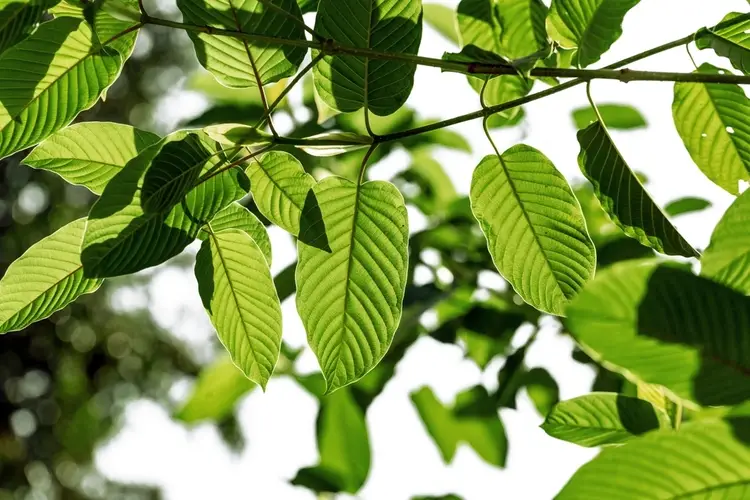
While kratom isn’t chemically classified as an opioid, it produces similar effects by interacting with the brain’s opioid receptors. This interaction explains both its therapeutic potential and its risks for dependency.
The Chemistry of Kratom: Focus on 7-Hydroxymitragynine
Kratom contains over 40 alkaloids, but two are primarily responsible for its psychoactive effects:
- Mitragynine: The most abundant alkaloid, typically constituting 1-2% of the dried leaf mass and approximately two-thirds of the total alkaloid content.
- 7-Hydroxymitragynine (7-OH): Present in much smaller quantities (less than 0.05% of dried leaf mass) but significantly more potent than mitragynine.
The Critical Role of 7-OH in Kratom’s Effects
7-Hydroxymitragynine is the true powerhouse behind kratom’s opioid-like effects. Despite its low concentration in the plant, 7-OH is dramatically more potent than the primary alkaloid mitragynine:
- Receptor Binding: 7-OH exhibits approximately 5 times greater binding affinity at the μ-opioid receptor compared to mitragynine.
- Potency Comparison: Research indicates that 7-OH is approximately 13-46 times more potent than morphine as an analgesic (pain reliever).
- Metabolism Factor: A crucial discovery in recent years is that when mitragynine enters the body, a portion is metabolized in the liver to 7-OH, enhancing kratom’s overall effects.
This metabolic conversion is particularly significant because it helps explain why kratom’s effects can be more powerful than expected based solely on its natural 7-OH content. Essentially, the body creates an additional 7-OH from the abundant mitragynine, intensifying the impact on opioid receptors.
How 7-OH Affects the Brain and Body
7-Hydroxymitragynine acts as a partial agonist at μ-opioid receptors, which means it binds to and activates these receptors, but not to the same degree as full agonists like morphine or fentanyl. This partial activation contributes to its effects:
- Pain Relief: 7-OH provides potent analgesia by modulating pain signals in the central nervous system.
- Euphoria: At higher doses, it can produce feelings of pleasure and well-being.
- Sedation: Larger amounts tend to have sedative effects, promoting relaxation and sleepiness.
- G-Protein Bias: Research suggests that 7-OH exhibits functional selectivity for G-protein signaling with minimal β-arrestin recruitment, potentially explaining its different side effect profile compared to traditional opioids.
The unique pharmacological profile of 7-OH contributes to kratom’s reputation as potentially less harmful than conventional opioids. However, this doesn’t mean it’s without significant risks.
The Dependency Potential of 7-OH
Despite claims about kratom’s safety, mounting evidence indicates that regular use can lead to dependency, with 7-OH playing a central role:
- Receptor Adaptation: Repeated exposure to 7-OH causes the endorphin-receptor system to adapt by increasing the number of opioid receptors and decreasing natural endorphin production—the same mechanism that drives opioid dependency.
- Cross-Tolerance: Studies have demonstrated that 7-OH can produce cross-tolerance with morphine, further confirming its impact on opioid pathways.
- Withdrawal Profile: When regular users stop taking kratom, they often experience withdrawal symptoms similar to those seen with traditional opioids, though possibly less severe.
A critical point to understand is that kratom products with higher 7-OH content—whether naturally occurring or from oxidation during processing—generally pose a greater risk for dependency. Some commercial products have been found to contain up to 500% more 7-OH than naturally present in the kratom plant, significantly increasing their dependency potential.
Kratom Withdrawal: The 7-OH Connection
When someone who regularly uses kratom discontinues use, withdrawal symptoms typically emerge within 12-48 hours and can last from several days to weeks. Common symptoms include:
Physical symptoms:
- Muscle aches and pain
- Nausea and vomiting
- Diarrhea
- Runny nose and watery eyes
- Sweating
- Tremors
- Sleep disturbances
- Fatigue
Psychological symptoms:
- Anxiety
- Irritability
- Restlessness
- Depression
- Cravings

The severity of these symptoms corresponds to several factors, including the amount of 7-OH regularly consumed, the duration of use, and individual physiological differences. Higher consumption of products with elevated 7-OH levels typically results in more pronounced kratom withdrawal symptoms.
The ANR Approach to Kratom Dependency
At ANR Clinic, we understand that kratom dependency, like other opioid dependencies, fundamentally involves a dysregulation of the endorphin-receptor system. This understanding guides our treatment approach:
The Limitations of Traditional Treatments
Conventional approaches to kratom dependency often fall short:
- Detoxification: Simply removing kratom from the system does nothing to address the underlying neurochemical imbalance.
- Rapid Detox: While it aims to speed up the process, rapid detox doesn’t restore endorphin-receptor equilibrium, leading to high relapse rates.
- Replacement Therapy: Substituting one substance (like buprenorphine) for another maintains dependency rather than resolving it.
Accelerated Neuro-Regulation: Targeting the Root Cause
ANR (Accelerated Neuro-Regulation) stands apart by addressing kratom dependency at its neurobiological core. The treatment:
- Modulates the endorphin-receptor system: Rather than just managing symptoms, ANR works to decrease excessive opioid receptors and restore natural endorphin production.
- Personalized approach: Each treatment is tailored to the individual’s specific condition, taking into account their medical history, pattern of kratom use, and current endorphin-receptor balance.
- Hospital-based procedure: ANR is performed under sedation in an ICU setting by board-certified medical professionals, ensuring safety and effectiveness.
- Rapid resolution: The procedure typically requires just one hospital stay of approximately 36 hours, with most patients returning to normal activities within days.
- Sustained results: By restoring neurochemical balance, ANR significantly reduces cravings and the risk of relapse.
Key Takeaways
Knowledge about 7-hydroxymitragynine provides critical insights into kratom’s effects, risks, and treatment:
- Despite kratom’s natural origin, its active compound 7-OH is highly potent, rivaling or exceeding many prescription opioids in strength.
- The conversion of mitragynine to 7-OH in the body adds complexity to understanding kratom’s impact and dependency potential.
- Regular kratom use, particularly of products with high 7-OH content, can lead to significant changes in the endorphin-receptor system, resulting in dependency.
- Effective withdrawal treatment must address these neurochemical changes rather than simply managing symptoms.
At ANR Clinic, we’re committed to advancing understanding of substances like kratom while providing cutting-edge, science-based treatment for those struggling with dependency. Our approach recognizes that true recovery comes not from temporarily masking symptoms but from restoring the brain’s natural balance.
For those concerned about kratom use or seeking help with dependency, ANR offers a path forward based on the latest neuroscience and decades of clinical experience.