
Most New Yorkers agree that the answer to “Does New York have an opioid problem?” is a resounding yes. However, not everyone is aware that this state is among the most impacted ones, with roughly eight people dying from opioid overdoses every single day. Most of these deaths involve fentanyl, a powerful synthetic opioid that has infiltrated New York’s drug supply.
Today, when New Yorkers often consume fentanyl unknowingly, accessing opioid dependence treatment is more critical than ever.
Keep reading to learn more about New York’s opioid problem and find out what makes ANR treatment significantly more effective than traditional detox.
11 Alarming Opioid-Related Statistics in New York

Here are some insightful statistics that demonstrate that New York does have an opioid problem:
Opioid Overdose Death Rates in New York
- The opioid epidemic in New York City is claiming one life every three hours.
- In 2022, New York State had the 28th highest drug overdose death rate—31.4 deaths per 100,000 people—in the United States.
- In 2020 and 2021, the rates of opioid overdose deaths in New York exceeded national rates. A report by the Office of Budget Policy and Analysis reveals that during that time, 85% of drug overdose deaths in the state involved opioids, primarily fentanyl.
Opioid Crisis Extent Across New York State
- According to the Office of Budget Policy and Analysis report, Dutchess County had the highest overdose rate—over 43 deaths per 100,000 people—in New York State in 2020.
- 36% of New Yorkers know someone who has died from an opioid overdose. Furthermore, 81% of New York City, 68% of downstate, 81% of upstate, and 79% of Capital District residents agree that opioid abuse is a serious problem in their area.
- The New York addiction crisis is worse in upstate and suburban counties, especially Erie, Onondaga, and Westchester Counties, outside of NYC. Between 2010 and 2015, the drug-related mortality rate in those counties increased by 256%, 145%, and 122%, respectively.
- According to a report by NYHealth, New York State had the highest number of residents, around 145,000, struggling with opioid abuse or dependence after California between 2011 and 2014.
- The difference in per-capita opioid prescribing between the New York State counties with the highest—Sullivan County—and lowest—Kings County—prescribing rates was more than 400% (NYHealth report).
Fentanyl Crisis in New York
- 2,444 New Yorkers lost their lives to a fentanyl overdose in 2023.
- Special Narcotics Prosecutor for the City of New York (SNP) data reveal that around 80% of drug overdose deaths in New York involve fentanyl.
- While only 18% of New Yorkers intentionally use fentanyl, 83% of those who inject drugs test positive for it.
Now that we’ve discussed the trends in opioid use in New York, let’s learn more about the most common opioids in this state.
The Most Common Opioids Used in New York

The most common opioids used in New York are prescription opioids, such as oxycodone, and illicit opioids, primarily illicitly manufactured fentanyl (IMF) and heroin.
Here’s how they contribute to New York’s opioid problem:
#1. Prescription Opioids
The opioid crisis in New York, as in all of the U.S., came in three waves, with the first wave stemming from prescription opioid overprescribing.
According to the SNP, it was fueled by pharmaceutical companies falsely advertising these drugs in the 1990s, as well as doctors who overprescribed these medications. Tragically, some made a fortune selling opioid prescriptions as overdose death rates climbed.
Most states, including New York, have since introduced stricter opioid prescribing regulations. Still, the NYHealth report reveals that close to 9 million opioid prescriptions were dispensed in New York State in 2015.
Prescription opioids include:
- Natural compounds like codeine
- Synthetic opioids (e.g., methadone)
- Semi-synthetic opioids, such as oxycodone or hydrocodone
#2. Heroin
In around 2010, heroin ushered in the second wave of the opioid epidemic in New York. Throughout the United States, thousands of opioid-dependent people resorted to this illicit opioid once they could no longer legally obtain prescription opioids. Around this time, cartels increased their production, and New York City became a major hub for heroin trafficking.
Heroin is a semi-synthetic morphine derivative. Some of its street names include Dope, Junk, and China White. It rapidly binds to opioid receptors in the central nervous system (CNS), exerting analgesic and euphoric effects lasting up to five hours.
#3. Fentanyl
The rise of fentanyl in New York and other U.S. states brought about the deadliest wave of the opioid epidemic. Fentanyl stands out as one of the most potent opioids; it is up to 50 times more powerful than heroin. While it can be prescribed for severe pain, it has become a popular street drug due to its exceptional potency and low production cost.
More often than not, New Yorkers who use illicit drugs aren’t aware they’re consuming fentanyl. It is often sold as heroin, pressed into counterfeit oxycodone pills, and mixed with other drugs. One of them is xylazine, a veterinary sedative that was found in almost one-third of fentanyl overdoses in 2023, according to SNP.
Since you’re now familiar with the drugs that contribute to New York’s opioid problem, it’s time to discuss why traditional detox isn’t an effective solution to opioid addiction.
Why Traditional Detox Centers Aren’t Effective
Traditional detox centers aren’t effective in treating opioid dependence and addiction because they don’t address the underlying causes of the problem; they merely manage its symptoms.
Opioid dependence is caused by chemical changes that occur in the nervous system with prolonged opioid use. Over time, opioids alter brain chemistry, increasing opioid receptor population, while simultaneously decreasing endorphin production, which leads to tolerance. Therefore, anyone taking these drugs for an extended time can—and will—become dependent.
Conquering opioid dependence is only possible by restoring normal brain function. However, most traditional detox centers offer opioid withdrawal treatment in New York without even acknowledging the neurobiological causes of this issue.
For example, rapid detox—a medical procedure that combines opioid antagonist drugs with anesthesia—promises a swift, painless recovery. Some New Yorkers seeking a quick fix for opioid dependence travel out of state, as there’s a lack of rapid detox centers in NYC (and not without good reason—this procedure is associated with life-threatening adverse effects).
Despite hefty promises, rapid opioid detox simply expedites opioid detoxification and reduces the discomfort of opioid withdrawals by sedating the patient. Unfortunately, many patients continue to suffer from withdrawal symptoms upon waking up, and most relapse within months after this procedure.
Medical detox is a popular alternative to rapid detox in New York. However, it also doesn’t do anything besides flushing opioids out of the system and managing withdrawals with medications. Since detoxification doesn’t reverse the damage these drugs cause to the brain, it often results in relapse, which substantially increases the risk of an opioid overdose.
Reclaim the Life You Deserve With ANR Treatment

Accelerated Neuro-Regulation (ANR) is an ultra-modern treatment that can help you safely and effectively defeat opioid dependence within days. Developed by Dr. Andre Waismann, this treatment takes a medical, scientifically backed approach to opioid dependence treatment by attacking the root cause of the issue through endorphin-receptor system modulation.
ANR facilitates long-lasting recovery by re-regulating the endorphin-receptor system imbalance resulting from repeated opioid exposure. By allowing the body to clear opioids and resume proper endorphin production, it returns the brain to its pre-dependence state. Since ANR reverses opioid-induced brain changes, it eliminates withdrawal symptoms, including cravings.
Benefits of Undergoing ANR Treatment
The key benefits of undergoing ANR treatment include:
- Unmatched success rate. As the first and only treatment that tackles opioid dependence at its core, ANR has an exceptionally high success rate. It has helped over 25,000 people worldwide regain control of their lives!
- Complete freedom from opioids. ANR does not involve any opioid-replacement drugs, such as Suboxone. Consequently, this innovative treatment allows you to forget about cravings and the fear of relapse.
- Highest patient safety standards. Performed by highly experienced board-certified anesthesiologists, ANR is carried out in an ICU setting of accredited hospitals with advanced medical equipment. Since it is tailored to each patient individually, it can be safely performed even on those with co-occurring medical conditions.
Ready to resume an opioid-free life? Contact us today for a free, 100% confidential consultation with no obligation.
Is ANR Available in New York?
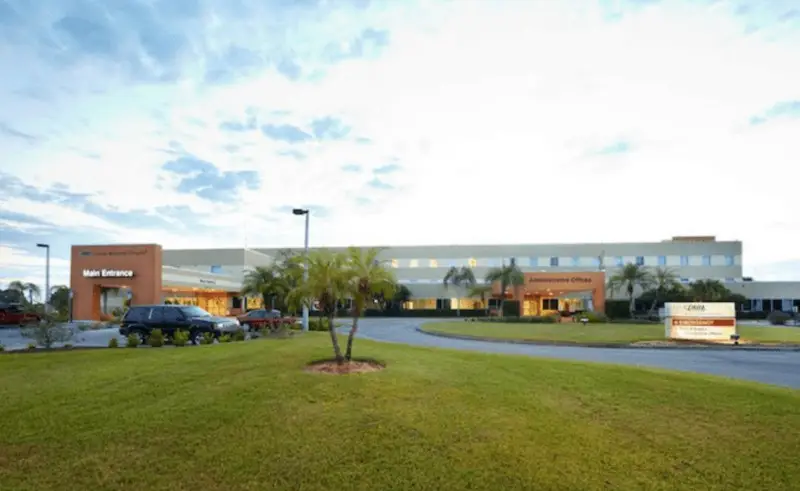
ANR treatment isn’t available in New York, but you can easily access it by taking a short flight to Florida. Our treatment facility is located at the nationally recognized DeSoto Memorial Hospital in Arcadia, Florida.
If you opt for ANR treatment, you won’t have to worry about missing work or significant life events. We can help you make a lasting recovery within a matter of days, regardless of how long you’ve been battling opioid dependence. While patients are required to stay in the area for approximately five days, the procedure itself takes only 4–6 hours.
Key Takeaways
With opioid overdoses continuing to be at an all-time high, there’s no denying it—New York does have an opioid problem.
Getting safe and effective opioid dependence treatment is vital to saving lives and combating the national opioid crisis. If you or a loved one is struggling with opioid dependence, know that we at ANR Clinic are always ready to listen and support your recovery.
Before you leave, let’s reiterate the key points we covered:
- Around 80% of overdose deaths in New York involve fentanyl.
- Traditional detox centers do not help with opioid dependence because they cannot address its underlying causes.
- ANR is a revolutionary opioid dependence treatment that rebalances the endorphin-receptor system, facilitating lasting results.
Related Articles
Why Washington State Needs Better Opioid Treatment
Rapid Detox in Los Angeles: Risks, Costs, and a Safer Alternative