
Suboxone doesn’t make you high when taken as prescribed. Made up of buprenorphine and naloxone, this combination drug is intended to ease withdrawal symptoms in opioid-dependent people without producing intense euphoria. However, because it contains the opioid buprenorphine, Suboxone can have euphoric effects on opioid-naïve individuals.
Keep reading to learn more about the effects of Suboxone and find out what makes ANR treatment considerably more effective in treating opioid dependence.
What Is Suboxone, and What Is It Used For?
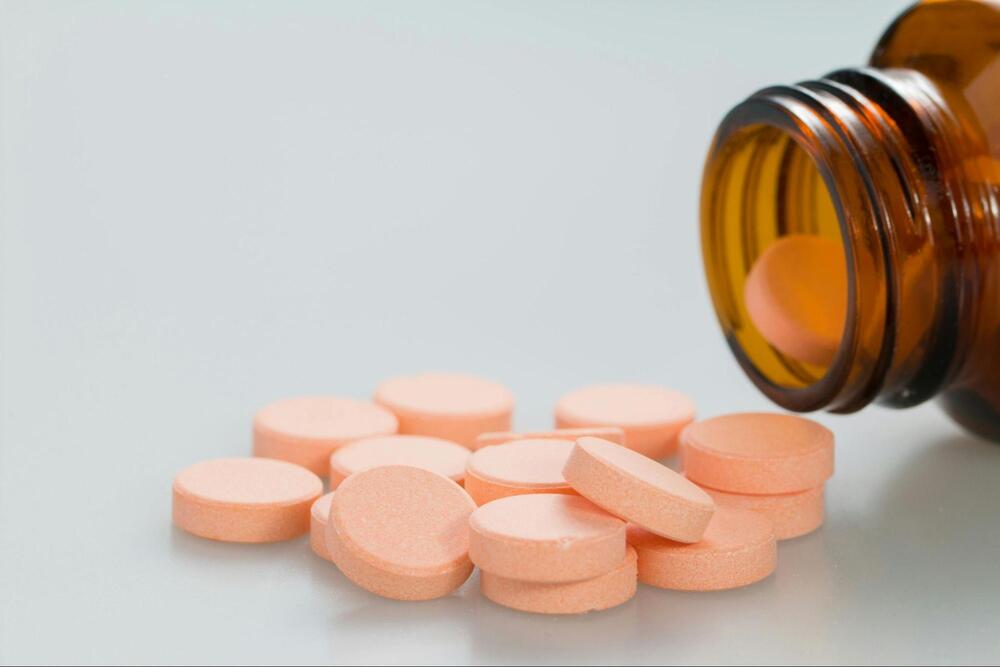
Suboxone is an FDA-approved medication used for opioid use disorder (OUD) treatment. It contains the following ingredients at a 4:1 ratio:
- Buprenorphine. This long-acting partial opioid agonist is often used in medication-assisted treatment (MAT), but it can also be prescribed to manage acute or chronic pain.
- Naloxone. Unlike buprenorphine, naloxone is not an opioid agonist; it’s an opioid antagonist. In other words, it binds to opioid receptors without activating them; instead, this medication blocks the effects of opioid agonists. It is used to reverse opioid overdoses.
Suboxone comes in sublingual film or tablet form; once dissolved in the mouth, it slowly releases buprenorphine into the system. It attaches to the same receptors as other opioids, albeit to a lesser extent, as it is a partial opioid agonist.
Although Suboxone reduces cravings and other withdrawal symptoms, this opioid-based medication can also lead to opioid abuse, dependence, and addiction. For this reason, it is classified as a Schedule III controlled substance.
Now that you know how Suboxone works and what it’s used for, let’s find out whether it can make you high.
Does Suboxone Make You High?
Suboxone does not make you high if you take it as instructed. This medication is designed to relieve withdrawal symptoms in opioid-dependent individuals without inducing euphoria.
Although buprenorphine, the opioid in Suboxone, can produce opioid-like effects, including euphoria, they are milder than those of full opioid agonists, such as OxyContin® or heroin. It also has a “ceiling effect,” meaning its effects plateau at large doses.
Naloxone, on the other hand, is an opioid antagonist, so it doesn’t make you high since it’s intended to prevent medication misuse.
Because its sublingual bioavailability is low, naloxone won’t be delivered into the system if you take it as directed and dissolve it in the mouth. However, if you attempt to get high on Suboxone by injecting it, it will be released and trigger sudden withdrawal symptoms. This can also happen if you abuse the drug by snorting it.
That said, Suboxone can get you high in some cases, especially if you have little to no opioid tolerance. Rhode Island Hospital and Boston Medical Center researchers found that withdrawal symptoms management and OUD self-treatment are the most common motivations for diverted buprenorphine/naloxone use. However, 12% of people who participated in the study still used it to get high.
5 Factors that Influence How Suboxone Makes You Feel
Some factors that influence how Suboxone makes you feel include dosage, opioid tolerance, co-use with other substances, and the method and timing of administration.
Here’s a detailed overview of these factors:
- Dosage. If the dose you’re prescribed is too low, Suboxone may not ease your withdrawal symptoms fully, and you may continue to struggle with cravings. Conversely, too high a dose can cause an overdose. If you experience profound drowsiness, confusion, shallow breathing, and similar symptoms after using Suboxone, seek medical help immediately.
- Timing of use. Administering Suboxone too early (i.e., with other opioids still present in the body) can trigger precipitated withdrawal symptoms. These may include intense anxiety, goosebumps, muscle pain, and other symptoms typical of an opioid withdrawal. To reduce the risk, you should only initiate Suboxone use once your body enters a state of mild-to-moderate opioid withdrawal.
- Opioid tolerance. Suboxone is prescribed for opioid-tolerant people with opioid dependence. If you have a high tolerance to opioids, this medication doesn’t normally induce euphoric feelings. However, if you have little to no opioid tolerance, Suboxone can make you high.
- Method of administration. If you take Suboxone as instructed and let it dissolve under your tongue or in your cheek, it will work as intended and alleviate withdrawal symptoms. However, abusing it by injecting, crushing, snorting, etc., can activate naloxone. Rather than making you feel high, this will block the effects of buprenorphine, inducing opioid withdrawals.
- Co-use with other substances. Combining Suboxone with other substances without the doctor’s permission constitutes polysubstance abuse. Its effects depend on the specific drug combination; mixing it with alcohol or medications that depress the central nervous system, for example, can intensify sedating effects and increase the risk of respiratory depression and overdose.
Is Suboxone Addictive?
Suboxone is addictive, as evident from the fact that it is treated as a Schedule III controlled substance, denoting a low-to-moderate potential for abuse, dependence, and addiction. Interestingly, despite being used to treat opioid dependence, Suboxone has a higher abuse liability than tramadol, a Schedule IV opioid.
It’s important to note that there’s a difference between physical dependence and opioid addiction. Anyone who uses Suboxone for OUD treatment is dependent on it; opioid-dependent individuals rely on it to control withdrawal symptoms, allowing them to function normally.
Meanwhile, Suboxone addiction is largely psychological; those addicted keep taking this drug, even if it harms them. While it’s impossible to become addicted to opioid antagonists, such as naloxone and naltrexone, you can develop an addiction to Suboxone because it contains buprenorphine.
Suboxone abuse is the main risk factor for becoming addicted to this medication. In 2023,
20.4% of Americans using buprenorphine products, including Suboxone, misused them.
Risks and Dangers of Long-Term Suboxone Use
The greatest risk of long-term Suboxone use is withdrawal symptoms. While this medication can help keep withdrawal symptoms from other opioids at bay, once you discontinue it, these symptoms may return, increasing the risk of relapse.
Furthermore, long-term Suboxone use may affect your health. Since it is metabolized in the liver, it may cause liver damage, especially if you have pre-existing conditions or mix it with hepatotoxic substances.
This medication can also affect your emotional state; researchers from Université du Québec found that long-term Suboxone use causes “flat affect,” where individuals become less reactive to positive or negative emotional stimuli.
Most importantly, taking this medication for months, years, or even decades isn’t a solution to opioid dependence. What Suboxone does is replace one opioid with another, keeping you dependent rather than setting you free from opioids.
4 Common Myths About Suboxone Use
Here are some common myths about Suboxone use:
#1. You Can’t Overdose on Suboxone
Suboxone isn’t as likely to cause an overdose as most other opioids. Still, you can overdose on it, especially if you have no opioid tolerance. You should never share your medications with other people or take drugs prescribed for someone else.
Misusing it by mixing it with alcohol or any other drug without your doctor’s approval amplifies the risk of a potentially fatal Suboxone overdose. As much as 92.7% of buprenorphine overdoses involve other drugs, most commonly antidepressants, benzodiazepines, and anticonvulsants.
#2. Suboxone Cannot Be Misused
Even though Suboxone is designed to have a lower potential for misuse than other opioids, including buprenorphine, it can still be misused. Since Suboxone can make you high if you have little to no tolerance, it may be abused by people who aren’t even struggling with opioid dependence. Suboxone abuse significantly increases the risk of addiction, overdose, and death.
Most commonly, individuals misuse Suboxone by:
- Taking it without a prescription
- Combining it with other substances
- Crushing and snorting or injecting it
#3. Suboxone Doesn’t Cause Withdrawal Symptoms
Suboxone is an opioid, and like all opioids, it may cause withdrawal symptoms upon cessation. What many patients aren’t aware of is that withdrawals from Suboxone tend to last longer than those from short-acting opioids. Unfortunately, many people keep taking this drug for decades just to feel normal.
The likelihood of Suboxone withdrawal symptoms is especially high if you cease taking your medication abruptly. Do not stop taking this medication suddenly or without medical supervision. To get off Suboxone safely, seek professional help.
#4. Suboxone Can Cure Opioid Dependence & Addiction
Suboxone is not a cure for opioid dependence and addiction; it is merely a substitute for other, potentially more dangerous opioids. Although it may help you lead a seemingly normal life by relieving withdrawal symptoms, the truth is that it still keeps you dependent on the same substance you’re looking to break free from: opioids.
Opioid dependence stems from the neurochemical imbalance that occurs in the nervous system due to repeated opioid exposure. To break its grasp, you must repair this imbalance; otherwise, you’ll keep suffering from cravings and other withdrawal symptoms. However, Suboxone treatment, opioid detox, and other traditional methods do nothing to fix it.
If you’re looking to safely and successfully return to an opioid-free life, consider undergoing Accelerated Neuro-Regulation (ANR). This revolutionary treatment targets the root of opioid dependence rather than its symptoms.
ANR – The Most Effective Opioid Dependence Treatment

ANR is an ultra-modern opioid dependence treatment developed by Dr. Andre Waismann. It takes a medical, scientifically backed approach to treating opioid dependence and facilitates long-lasting recovery by restoring the brain to its pre-dependence state.
Unlike traditional approaches, ANR treatment re-regulates the endorphin-receptor system imbalance, reversing the damage opioids cause to the nervous system. The procedure is performed in an ICU setting of accredited hospitals by board-certified medical professionals, ensuring utmost patient safety.
Most importantly, ANR doesn’t involve any opioid-replacement drugs, such as Suboxone. Once the treatment is completed, you can return to a life without cravings, opioids, or the fear of relapse.
Benefits of Undergoing ANR Treatment
The key benefits of undergoing ANR treatment include:
- Effectiveness. Thanks to its comprehensive approach, ANR has an exceptionally high success rate. Because it addresses the deep-rooted causes of opioid dependence, it eliminates withdrawal symptoms and the risk of relapse.
- Personalized approach. At ANR Clinic, each patient receives a treatment plan personalized to their medical history. This allows us to safely perform the treatment on almost everyone, including patients with co-occurring health conditions.
- Short treatment duration. With ANR, you can forget about spending months in rehab or taking opioid-replacement drugs for years. This groundbreaking treatment can help you reclaim your life within a matter of days.
At ANR Clinic, we have successfully treated nearly 25,000 people worldwide, including those who have been failed by traditional approaches, including Suboxone treatment.
Meet Jared, who triumphed over opioid dependence with ANR after taking Suboxone for over six years:
To get started with ANR, contact us today for a free consultation without obligation. We guarantee 100% confidentiality.
Key Takeaways
There’s no specific answer to “Does Suboxone make you high?” because it depends on individual factors, such as your opioid tolerance and how you use it. However, if you follow your doctor’s instructions carefully, it should reduce withdrawal symptoms without making you feel high.
Let’s go over the key points we covered in this article:
- Suboxone is an opioid-based medication used for OUD treatment.
- Although Suboxone has a relatively low potential for abuse, dependence, and addiction, it contains buprenorphine, making it addictive.
- ANR is a state-of-the-art opioid dependence treatment that supports lifelong recovery by rebalancing your endorphin-receptor system.
Related Articles
How Long Does Suboxone Stay in Your System?