
A hydrocodone/acetaminophen overdose is a life-threatening emergency that happens when people take a larger amount of this drug than their bodies can safely process. Although this opioid-based combination drug can effectively relieve pain, it can also dangerously suppress your breathing when taken in higher doses than prescribed.
Furthermore, both hydrocodone and acetaminophen affect the liver, meaning taking an excessive amount of this drug can cause liver damage.
This article will cover the main things you should know about hydrocodone/acetaminophen overdoses and explain what makes ANR the safest and most effective opioid dependence treatment today.
What Is Hydrocodone/Acetaminophen?
Hydrocodone/acetaminophen is a combination opioid painkiller prescribed for moderate-to-severe pain that cannot be controlled with milder pain relievers, such as acetaminophen alone.
It is comprised of two active ingredients:
- Hydrocodone, a potent semi-synthetic opioid derived from thebaine or codeine—alkaloids that occur naturally in the opium poppy plant
- Acetaminophen, an over-the-counter non-opioid pain medication used to relieve mild-to-moderate pain and reduce fever
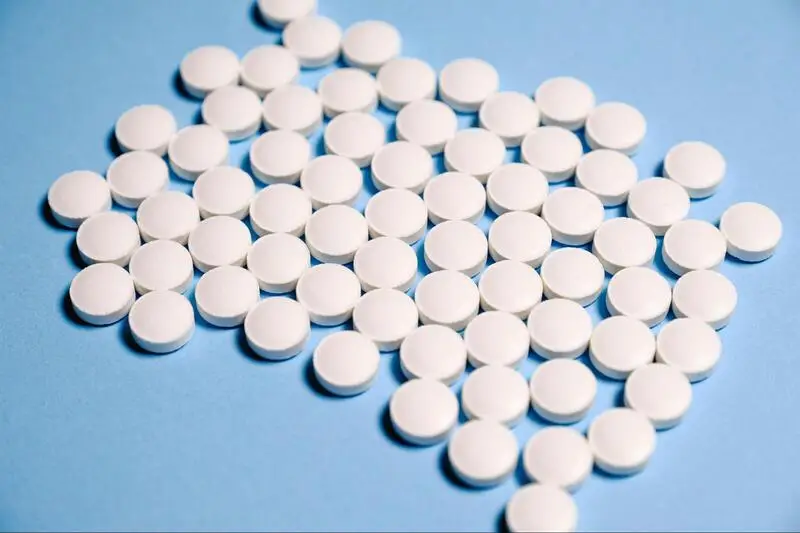
While single-entity hydrocodone is only available in an extended-release formulation (Hysingla® ER, Zohydro® ER), hydrocodone/acetaminophen is an immediate-release drug. Available as a tablet or capsule, this medication combines 300 mg or 325 mg of acetaminophen with 2.5–10 mg of hydrocodone.
Some formulations previously contained up to 750 mg of acetaminophen. However, these have been discontinued by 2014 as the FDA limited the maximum acetaminophen strength in hydrocodone/acetaminophen combination products to up to 325 mg due to the risk of liver injury.
Furthermore, formulations containing 300 mg of acetaminophen used to be marketed as Vicodin®, whereas those consisting of 325 mg were sold under Norco®, Lorcet®, or Lortab® brands. Currently, however, hydrocodone/acetaminophen is only available as a generic drug.
How Does Hydrocodone/Acetaminophen Work?
Hydrocodone/acetaminophen works by binding to the opioid receptors throughout the central nervous system (CNS), thereby preventing pain signals from reaching the brain. It also induces euphoria and deep relaxation by stimulating dopamine release. These rewarding effects contribute to the drug’s potential for abuse and addiction.
Besides analgesic and euphoric effects, this medication can also cause various side effects.
The most common side effects of hydrocodone/acetaminophen include:
- Nausea
- Vomiting
- Itchy skin
- Headache
- Dry mouth
- Drowsiness
- Constipation
- Lightheadedness
As a Schedule II controlled substance, hydrocodone/acetaminophen is only available by prescription. With more than 23.5 million prescriptions issued to nearly 8 million Americans, it was the most frequently prescribed opioid painkiller in the United States in 2022.
Taking it as prescribed is imperative to reducing the risk of opioid dependence, addiction, overdose, and other serious adverse effects, such as acetaminophen toxicity.
Hydrocodone/Acetaminophen Overdose Signs and Symptoms
The tell-tale signs and symptoms of a hydrocodone/acetaminophen overdose include:
- Weak pulse
- Pinpoint pupils
- Cold, clammy skin
- Extreme confusion
- Profound drowsiness
- Nausea and vomiting
- Discolored lips and fingernails
- Slowed, shallow, or stopped breathing
If you notice any of these signs, call 911 immediately. Promptly administering naloxone for overdose emergencies is critical, as hydrocodone/acetaminophen overdoses can be deadly if not treated on time. Between 1999 and 2022, nearly 226,000 Americans lost their lives to an overdose involving natural and semi-synthetic opioids, including hydrocodone/acetaminophen.
Notably, there’s no exact hydrocodone/acetaminophen overdose amount that applies to every person; what might be a therapeutic dose for one person could be fatal for another. How much hydrocodone/acetaminophen your body can safely handle largely depends on your opioid tolerance.
For this reason, you should never take medication prescribed for someone else. A hydrocodone/acetaminophen 5/325 overdose is just as likely to occur as that involving higher dosage strengths if you’re using it in ways other than prescribed, i.e., misusing the drug.
Now that you know more about hydrocodone/acetaminophen overdose symptoms and treatment, it’s time to learn more about its risk factors.
3 Main Risk Factors Leading to Hydrocodone/Acetaminophen Overdose

Some of the main risk factors leading to a hydrocodone/acetaminophen overdose include opioid abuse, polysubstance use, and low opioid tolerance.
Let’s examine each of these factors:
- Opioid abuse. Misusing your medication (e.g., by taking it more frequently than prescribed) exponentially increases the risk of a hydrocodone/acetaminophen overdose. Unfortunately, hydrocodone products are the most commonly abused prescription pain relievers in the United States; 3.6 million Americans misused them in 2023 alone.
- Polysubstance use. Mixing hydrocodone/acetaminophen with other substances without your doctor’s approval puts you at an increased risk of an opioid overdose. For this reason, it is critical to inform them about any supplements, prescription drugs, and herbal medicines you take before starting opioid therapy.
- Low opioid tolerance. Opioid-naïve people and those with a low tolerance to opioids may overdose on much lower doses of hydrocodone/acetaminophen than those with a high opioid tolerance. Relapse considerably increases the risk of a hydrocodone/acetaminophen overdose, as abstaining from drugs reduces tolerance.
Additionally, hydrocodone addiction may also be regarded as a risk factor for a hydrocodone/acetaminophen overdose. This is because people struggling with this condition are more likely to take this drug in higher doses or abuse it in other ways.
Hydrocodone/Acetaminophen Addiction vs. Hydrocodone/Acetaminophen Dependence
Hydrocodone/acetaminophen addiction and hydrocodone/acetaminophen dependence are distinct, even though they can co-occur. Unlike dependence, which is purely physical, addiction is predominantly psychological.
Unfortunately, not all people are aware that this drug makes them vulnerable to opioid dependence and addiction. The combination of hydrocodone and acetaminophen has a high potential for abuse, dependence, and addiction because of hydrocodone, its opioid ingredient.
If you take opioids for an extended period, it’s only a matter of time before you become dependent, as repeated opioid exposure alters brain chemistry, leading to tolerance. Therefore, you will eventually need larger doses to recreate the drug’s initial effects.
If this happens, consult your doctor. Do not take more medication than prescribed, as it can cause a hydrocodone/acetaminophen overdose.
Besides tolerance, hydrocodone/acetaminophen dependence is marked by opioid withdrawal symptoms that occur upon drug discontinuation. These symptoms can be extremely uncomfortable, which is why so many people continue to take opioid painkillers, even when they’re no longer medically necessary.
If left untreated, hydrocodone dependence can develop into an addiction, which can make it virtually impossible for people to control their drug use.
Preventing Hydrocodone/Acetaminophen Overdose
The only way to prevent a hydrocodone/acetaminophen overdose is not to take this drug in the first place. After all, just a single extra pill taken by accident may be powerful enough to cause a potentially fatal hydrocodone/acetaminophen 5/325 overdose.
Therefore, you should only opt for hydrocodone/acetaminophen if you don’t have any non-opioid pain management options available.
If you must take this drug, here’s what you can do to reduce the risk of a hydrocodone/acetaminophen overdose:
- Follow your doctor’s instructions and discuss any concerns with them.
- Carefully track your opioid intake to ensure you don’t accidentally take an extra dose.
- If you miss or think you might’ve missed a dose, skip it and take the next one as usual; never take double doses.
- Do not mix hydrocodone/acetaminophen with alcohol or any other substance without your doctor’s permission.
- Do not take extra acetaminophen while taking this medication to reduce the risk of acetaminophen toxicity and subsequent liver damage.
- Seek professional opioid addiction treatment if you believe you may be dependent on or addicted to hydrocodone/acetaminophen.
- Do not stop taking your medication without medical supervision, as this considerably amplifies the risk of relapse and subsequent hydrocodone/acetaminophen overdose.
ANR Treatment for Opioid Dependence

Accelerated Neuro-Regulation (ANR) is a groundbreaking treatment that eradicates opioid dependence safely, effectively, and quickly. The average hospital stay for ANR treatment lasts only 36 hours.
Developed by Dr. Andre Waismann, ANR targets the root of opioid dependence rather than its symptoms by re-regulating the endorphin-receptor system. As the only opioid dependence treatment that acknowledges and addresses the neurobiological causes of the problem, it has an unparalleled success rate.
Benefits of Undergoing ANR Treatment
Some of the greatest benefits of undergoing ANR treatment include:
- Lasting results. By modulating the endorphin-receptor system, ANR reverses the damage opioids cause to the nervous system, facilitating long-lasting recovery. This innovative treatment eradicates cravings and other withdrawal symptoms, negating the risk of relapse.
- Personalized approach. At ANR Clinic, we tailor the treatment plan to each patient’s medical history and needs. Therefore, ANR treatment can be safely performed on almost anyone, even those with co-occurring health conditions, such as heart disease.
- Highest patient safety standards. To ensure patient safety, ANR is carried out in an ICU setting of fully accredited hospitals with advanced medical equipment. Our team comprises highly experienced and compassionate board-certified medical professionals, including anesthesiologists and critical care physicians.
ANR has supported close to 25,000 people worldwide in achieving a lasting recovery.
Here’s the powerful testimonial of Nancy, who beat opioid dependence after battling it for nearly three decades with the help of ANR:
Ready to take back control of your life? Contact us today for a free, 100% confidential consultation to learn how ANR can help you return to a happy and healthy life free of opioids.
Key Takeaways
A hydrocodone/acetaminophen overdose is one of the major risks of using hydrocodone products. If you have to take this drug, follow your doctor’s instructions precisely to avoid falling victim to it.
Before you go, let’s summarize what we covered today:
- Hydrocodone/acetaminophen is a prescription painkiller that combines the semi-synthetic opioid hydrocodone with acetaminophen, an over-the-counter pain medication.
- Low opioid tolerance, opioid abuse, and polydrug use are the main risk factors for hydrocodone/acetaminophen overdoses.
- If you’re struggling with hydrocodone dependence, ANR treatment can help you overcome it safely and swiftly by restoring normal brain function.
Additional Information
Hydrocodone and Trazodone Interaction