
Morphine and alcohol are psychoactive substances with depressant effects. Combined, they can cause slowed (or even stopped) breathing, overdose, and organ damage, among other life-threatening consequences. For this reason, you should never drink alcohol while taking morphine.
This article will help you learn more about morphine and alcohol interaction, including its short- and long-term effects. Additionally, we will explain what makes ANR the most effective treatment for morphine dependence today.
What Is Morphine, and How Does It Work?

Morphine is an opiate used to relieve moderate-to-severe pain when non-opioid painkillers aren’t effective enough or cannot be used.
Unlike semi-synthetic or synthetic opioids, such as oxycodone or fentanyl, morphine is an opium alkaloid that occurs naturally in poppy plants. However, it can also be used to produce semi-synthetic opioids, such as hydromorphone.
Available as a generic or brand-name drug, morphine comes in both immediate- and extended-release formulations and can be administered orally or intravenously. Some popular brand names include Kadian®, MS Contin®, Roxanol®, Duramorph®, and MorphaBond® ER.
Morphine works by binding to opioid receptors in the central nervous system (CNS), thereby hindering the transmission of pain signals between the body and the brain. It also causes a sudden release of dopamine, inducing euphoria and deep relaxation. Although morphine is an effective pain reliever, it has a high potential for abuse, dependence, and addiction.
Morphine Usage in the USA
Here are some statistics that illustrate the extent of morphine use, misuse, and overdose in the United States:
- In 2023, 3.3% of Americans above the age of 12 who abused any type of prescription pain reliever misused morphine specifically.
- With over 4.1 million prescriptions issued to almost 800,000 Americans, morphine was the 140th most frequently prescribed drug in the United States in 2022.
- In 2022, the United States accounted for 33.1% of the world’s morphine consumption; this share was even larger in 2019, when it reached 47.6%.
- Overdoses involving natural and semi-synthetic opioids, such as morphine, took the lives of almost 12,000 Americans in 2022 alone.
Side Effects of Using Morphine
Common side effects of morphine include:
- Fatigue
- Nausea
- Vomiting
- Sedation
- Itchy skin
- Headache
- Constipation
- Lightheadedness
Inform your doctor about any side effects you experience after taking opioid medications. Mixing morphine and alcohol or taking them with other drugs without your doctor’s approval increases the risk of adverse effects. Some, such as respiratory depression, may require urgent medical attention.
Furthermore, long-term use of morphine is not recommended due to the increased risk of opioid dependence, addiction, and other adverse outcomes, such as reduced fertility. Paradoxically, taking morphine for a prolonged time, especially in high doses, increases the likelihood of opioid-induced hyperalgesia.
Always follow your doctor’s instructions carefully when taking this medication. Opioid abuse (i.e., taking morphine in ways other than prescribed) can also lead to organ damage, opioid overdose, and death. To reduce the risk of a potentially life-threatening morphine overdose, track your medication intake. If you miss a dose, skip it and take the next one at your usual time.
How Long Do Morphine Effects Last?
Morphine effects usually last 3–24 hours. The duration of its effects primarily depends on the drug’s formulation; immediate-release morphine relieves pain for 3–6 hours, whereas extended-release formulations may provide pain relief for 24 hours or even longer. Certain individual factors, such as your liver function, can also affect how long the effects last.
Importantly, mixing morphine and alcohol may prolong and intensify its effects, as it can make it harder for your body to metabolize substances.
Before discussing the dangers of combining alcohol with morphine, let’s learn more about the effects of alcohol.
What Are the Effects of Alcohol on Your Body?
The effects of alcohol on your body depend on the amount consumed. Although it is classified as a CNS depressant, low amounts of alcohol can make you feel more talkative, energetic, and even euphoric. Larger amounts, on the other hand, suppress the nervous system and may cause sedation, nausea, vomiting, and a loss of consciousness.
Depending on the type of alcohol consumed and its quantity, you may start feeling its effects within 10–45 minutes after consumption.
Short-term effects of alcohol consumption may also include:
- Dizziness
- Disinhibition
- Blurry vision
- Poor judgment
- Slurred speech
- Digestive problems
- Impaired motor skills
- Slowed reaction time
Although alcohol is not treated as a controlled substance in the United States, excessive consumption can lead to abuse and alcohol use disorder (AUD). 3% to 5% of people with AUD suffer from severe, life-threatening alcohol withdrawal, known as delirium tremens (DT), after quitting drinking.
Other long-term effects of excessive alcohol consumption include:
- Memory loss
- Liver damage
- Weight changes
- Cognitive impairment
- Cardiovascular disease
- Increased risk of cancer
Next, let’s learn more about opioid and alcohol interaction and find out why taking morphine and drinking alcohol is never recommended.
Dangers of Mixing Morphine and Alcohol
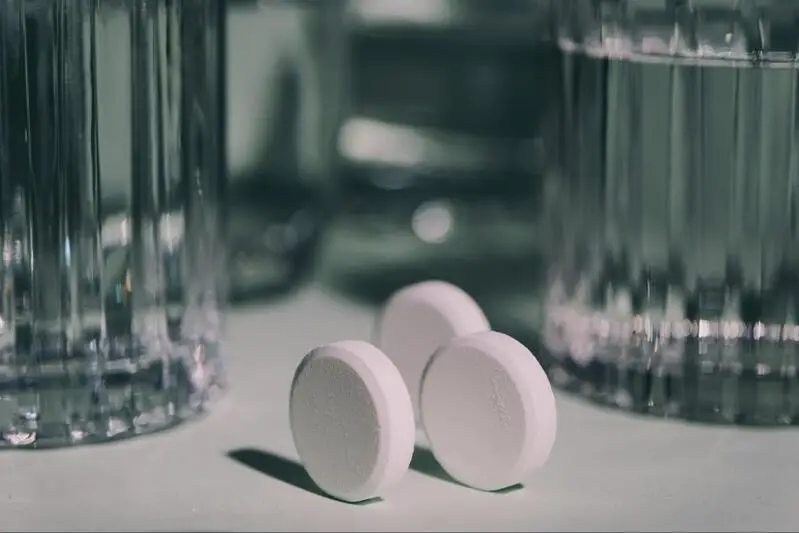
The key dangers of mixing morphine and alcohol include the enhanced risk of serious adverse effects, opioid overdose, and death. Mixing these substances is a form of polysubstance abuse that can have life-threatening consequences. Therefore, you should never take them together, even in minimal amounts.
Morphine and alcohol can both dangerously suppress the nervous system, as they act as CNS depressants. Taking them together enhances their depressant effects, increasing the risk of respiratory depression and opioid overdose. Respiratory depression can cause brain hypoxia (i.e., deprive your brain of oxygen), which can cause brain damage, coma, and death.
If you or a loved one is exhibiting signs of an opioid overdose, such as slowed breathing, pinpoint pupils, or clammy skin, call 911 immediately. This life-threatening condition can only be reversed by promptly administering naloxone. Keep in mind that naloxone will not reverse the effects of morphine and will not affect an alcohol overdose, making this combination extremely dangerous.
Furthermore, the combination of morphine and alcohol can cause sedation, impaired cognition and coordination, and profound confusion. As such, it considerably increases the risk of accidents, falls, and injuries. Alcohol can also affect how your body absorbs and processes morphine, which is why taking them together can have unexpected effects.
With this in mind, let’s discuss the short- and long-term effects of morphine and alcohol abuse.
Short-Term and Long-Term Effects of Morphine and Alcohol Abuse
The short-term effects of morphine and alcohol abuse may include:
- Seizures
- Confusion
- Dehydration
- Memory loss
- Hallucinations
- Slurred speech
- Lightheadedness
- Slowed heart rate
- Difficulty breathing
- Nausea and vomiting
- Decreased blood pressure
- Profound drowsiness and sedation
- Impaired coordination, judgment, and reaction time
Meanwhile, some common long-term effects of morphine and alcohol abuse are:
- Health complications. Mixing morphine and alcohol can weaken your immune system and put a massive strain on your liver, kidneys, heart, lungs, gastrointestinal tract, and other organs. Therefore, this combination considerably increases the risk of liver damage, kidney disease, cardiovascular problems, and other medical issues.
- Mental and cognitive decline. Morphine and alcohol abuse also take a toll on your mental health and cognitive function, amplifying the risk of memory loss and other cognitive problems. Plus, it can also exacerbate mental health conditions, such as depression or anxiety.
- Social and economic problems. Abusing morphine and alcohol can lead to various negative outcomes, ranging from job loss, financial hardship, and homelessness to legal problems and strained relationships with family and friends.
- Substance use disorders (SUDs). Morphine and alcohol abuse expose you to a high risk of AUD and opioid use disorder (OUD).
On this note, let’s explore how morphine and alcohol abuse can make you more prone to developing opioid addiction.
How Morphine and Alcohol Use Can Turn Into Addiction
Morphine and alcohol use can turn into addiction, as both of these substances cause tolerance and dependence with repeated use and produce pleasurable feelings, such as relaxation.
If you take morphine for a prolonged time, your brain will eventually start producing more opioid receptors, leading to tolerance, a sign of opioid dependence. As tolerance grows, larger amounts of the drug are needed to achieve the same effects as before.
Alcohol, too, causes tolerance with chronic use, and combining these substances can make you develop tolerance and dependence even faster.
If you suspect you might’ve become dependent on morphine or alcohol, do not quit them abruptly or without medical supervision. Withdrawing from both substances at once can cause severe morphine and alcohol withdrawal symptoms, making it even harder to become and stay sober. It also increases the risk of complications, relapse, and subsequent overdose.
Nonetheless, it is critical to treat dependence, as it can otherwise turn into an addiction, which is marked by a loss of control over drug use. Those addicted to morphine cannot stop taking it, even when opioid use destroys their health, careers, and relationships. To reduce the risk of addiction, it is critical to seek professional help.
However, not all treatments are equally effective. Traditional approaches, such as rapid detox or medication-assisted treatment (MAT), treat the symptoms of opioid dependence instead of addressing its underlying causes, often leading to relapse. Choosing an opioid dependence treatment that tackles the root of the problem is key to making a lasting recovery.
ANR – The Most Effective Opioid Dependence Treatment

Accelerated Neuro-Regulation (ANR) is a revolutionary opioid dependence treatment that can help you return to an opioid-free life within days, safely and effectively. Developed by Dr. Andre Waismann, ANR treatment differs from other methods in that it addresses the root of opioid dependence by bringing the nervous system back to balance.
This treatment re-regulates the endorphin-receptor system to its normal state while the patient is sedated, allowing them to avoid the discomfort of opioid withdrawals. By repairing the endorphin-receptor system, ANR eradicates opioid dependence together with cravings and other withdrawal symptoms.
To ensure utmost patient safety throughout the process, the ANR procedure is performed by highly experienced board-certified healthcare professionals in an ICU setting of accredited hospitals with advanced medical equipment.
Benefits of Undergoing ANR Treatment
Here are some of the benefits of undergoing ANR treatment:
- Long-lasting results. ANR is the only opioid dependence treatment that targets the root of the problem instead of its symptoms. It promotes lasting recovery by reversing the damage opioids cause to the brain, contributing to its exceptional success rate. As of today, ANR has aided over 25,000 people globally in conquering opioid dependence.
- Personalized approach. Each ANR patient receives a treatment plan tailored to their unique medical history and needs, allowing our team to treat even those with complex health conditions safely.
- No opioid-replacement drugs. Unlike traditional opioid addiction treatments, ANR doesn’t involve Suboxone or other potentially addictive opioid-replacement drugs. Once the treatment is finished, you’ll no longer have to take opioids to feel normal. ANR eliminates withdrawal symptoms, setting you free from the fear of relapse.
Meet David, who broke the chains of opioid dependence with ANR treatment after battling it for over 10 years:
Free yourself from opioid dependence by contacting us today for a free consultation. We ensure 100% confidentiality.
Key Takeaways
Mixing morphine and alcohol is never safe, even in small doses. Because of this, it is critical to discuss your medical history with your doctor before initiating opioid therapy; morphine and other opioid medications may not be the safest option for those struggling with AUD.
Lastly, let’s go over the key points we covered today:
- Morphine is an opiate used for moderate-to-severe pain management.
- Some short-term effects of mixing morphine and alcohol include confusion and profound sedation, whereas the long-term ones include the increased risk of SUDs and health complications.
- ANR is an ultra-modern treatment that eradicates opioid dependence by repairing opioid-induced damage to the nervous system.