It’s no news that opioid addiction and abuse are so widespread that the United States is experiencing an opioid crisis.
Even though every year millions of people lose their loved ones to opioid addiction, unfortunately, sometimes, you have no other option but to take opioids to alleviate pain.
The good news is that you can minimize the risk of opioid addiction by learning more about it. In addition to that, it can also help you recognize when a loved one needs help getting their opioid use under control before it’s too late.
This comprehensive guide to opioid addiction will teach you what you should know about opioids and addiction to them, from causes to treatment options.
What Are Opioids?

Opioids are a broad category of drugs that interact with opioid receptors in the central nervous system (CNS) and possess pain-relieving properties. This drug class includes prescription opioids, such as codeine, as well as illegal opioids, like heroin.
Based on their origin, these drugs fall into one of the following categories:
- Natural opioids (e.g., morphine), also known as opiates, are extracted directly from the opium poppy.
- Semi-synthetic opioids (oxycodone, hydrocodone, etc.) are made by synthesizing opiates in labs.
- Synthetic opioids (tramadol, methadone, and fentanyl) are entirely human-made and designed to mimic natural opioids without containing them.
While opioids can be used for different medical purposes, such as to suppress cough or diarrhea, they are typically prescribed to treat moderate to severe pain.
Prescription opioids come in many different forms, including:
- Tablets
- Capsules
- Solutions
- Injections
- Suppositories
They also often come in both immediate-release and extended-release versions.
It’s important to note that opioids are potent and highly addictive. As such, they’re primarily recommended for the treatment of acute pain, specifically when other non-opioid painkillers aren’t effective or cannot be used.
Opioid Usage in the USA
Now that we’ve covered the basics, let’s look into some statistics to gain more insight into opioid usage in the United States:
- With a combined number of nearly 60 million prescriptions, the three most commonly prescribed opioids in the United States in 2020 were acetaminophen/hydrocodone, tramadol, and oxycodone.
- An estimated 80% of people who use heroin have misused prescription opioids in the past.
- In 2016, more than 2 million Americans suffered from prescription opioid addiction, whereas just above 260,000 were addicted to heroin.
- Nearly 4% of Americans abuse opioids every year.
What Are the Effects of Opioids?
Since opioids essentially mimic the way our body’s natural painkillers—endorphins—work, the main effect of opioids is pain relief.
Simply put, opioids help minimize the perception of pain by attaching to opioid receptors, which prevents the transmission of pain signals between the body and the brain.
Not only do opioids imitate endorphins, but they also hinder their natural production while triggering the release of dopamine. In turn, some people who take opioids experience euphoria (often called a “high,” which usually combines elevated mood with relaxation), increasing the addictive potential of opioids.
On top of that, opioids can cause a variety of mild to potentially life-threatening short-term and long-term side effects. Some of the most common ones include:
- Confusion
- Constipation
- Diarrhea
- Difficulty breathing
- Fatigue
- Liver, heart, and kidney damage
- Nausea
- Vomiting
- Sleeping problems
Opioids can also depress the central nervous system, which can lead to respiratory depression, decreased heart rate, drowsiness, poor coordination, increased reaction time, and the like. For this reason, opioids can make it dangerous for you to drive, operate heavy machinery, and so on.
Opioid Half-Life
The half-life of opioids refers to the amount of time it takes for the body to break down and eliminate half a dose of the drug. This depends not only on the type of opioid you’re taking but also on various individual factors, such as:
- Opioid dosage and frequency of use
- Age
- Body fat percentage
- Liver function and overall health
For context, the half-life of morphine ranges between two and four hours, whereas that of tramadol is more or less six hours. Generally, short-acting opioids are eliminated much faster than long-acting ones.
Nonetheless, it usually takes five or six half-lives for the body to fully eliminate opioids. Even so, they can still be detected by some drug tests long after that. Hair follicle tests, in particular, have a long opioid detection time frame and can detect opioids in your system for up to 90 days from the last dose.
Opioid Addiction
Opioid addiction, or opioid use disorder (OUD), can be described as an intense urge to take opioids despite their negative consequences on your personal and professional life.
In other words, opioid addiction is characterized by the inability to control problematic, chronic opioid use. If you continue taking opioids even though you no longer need them to manage pain, chances are, you might be addicted to them.

The most common misconception about opioid addiction is that it’s a choice and only affects certain people.
In reality, no one chooses to become addicted to opioids. It can happen to anyone. More often than not, people become addicted to opioids after being prescribed such medication to treat pain.
Since opioids stimulate the production of opioid receptors, prolonged use of opioids usually leads to tolerance. This means that your body requires increasingly larger amounts of the drug to experience the same effects as before.
Whether it’s due to pain relief or euphoria, opioids alleviate discomfort and make people feel better. For this reason, it’s not uncommon for people to start abusing opioids by taking them in larger quantities or more often than prescribed as their tolerance increases.
Eventually, the body becomes so used to opioids that without them, it goes into a state of withdrawal, characterized by symptoms such as muscle pain, cravings, and vomiting. This signalizes physical dependence on opioids, which, when left unmanaged, can develop into opioid addiction.
Opioid Addiction Causes and Risk Factors
Since opioids alter your brain chemistry, hindering the production of endorphins and increasing that of opioid receptors, the root cause of opioid addiction is the chemical imbalance in the brain.
The main risk factors for opioid addiction include:
- Being able to easily access opioids
- Experiencing stressful circumstances, such as unemployment
- Coming in contact with opioids at a young age
- Taking opioids for a prolonged period of time or not as intended (e.g., abusing them by crushing, injecting, or using them for recreational purposes)
How to Recognize Opioid Addiction
Recognizing opioid addiction isn’t always easy, especially in the early stages. Given that it usually develops gradually, many people don’t realize that they’ve become addicted to opioids until it takes a toll on their lives.
Nonetheless, if you fear that you or someone you love may be developing an addiction to opioids, there are some signs you should look out for. These include:
- Physical signs. Digestive problems (constipation, diarrhea, etc.), breathing difficulties, and withdrawal symptoms (such as sweating and flu-like symptoms) triggered by the absence of opioids are all tell-tale signs of opioid addiction.
- Psychosocial signs. Confusion, mood fluctuations, deteriorating mental health, and suicidal ideation could indicate an opioid addiction.
- Behavioral signs. Some behavioral signs that could indicate opioid addiction include lying about opioid use, stealing or trying to obtain opioids in other illegal ways, becoming withdrawn from family and friends, and failing to meet job or family obligations.
- Cognitive signs. Since opioids affect the brain, people who suffer from opioid addiction may experience memory gaps, communication difficulties, and low impulse control.
Opioid addiction can lead to job loss, criminal activity, money problems, and other negative consequences. So, if you notice that opioids have changed the way you or someone you love acts, don’t ignore it. The earlier you seek help for opioid addiction, the easier it should be to overcome it.
Opioid Dependence
Opioid dependence refers to the physical dependence on opioids. It is closely linked to tolerance and characterized by withdrawal symptoms once you stop taking opioids or lower their dosage.
In other words, if you’re dependent on opioids, you might feel like you only feel and function normally after taking them.
That said, opioid dependence isn’t the same as opioid addiction, even though some people use these two terms interchangeably.
Simply put, not everyone who is dependent on opioids is addicted to them, but all people addicted to opioids are also dependent on them. This is because withdrawal symptoms are indicative of both opioid dependence and addiction, but opioid addiction also comes with other physical, behavioral, cognitive, and psychosocial symptoms.
Opioid Overdose
An opioid overdose occurs when you take a larger amount of opioids than you should take at a time.
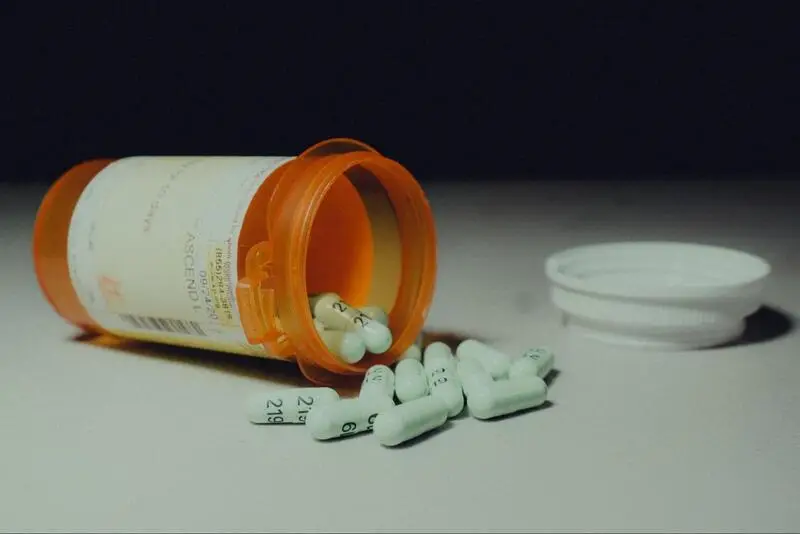
While opioid misuse and abuse (e.g., taking more opioids than prescribed or taking opioids prescribed to someone else) often cause an opioid overdose, it’s also possible to overdose by accident.
For instance, you might take an extra opioid dose after forgetting that you already took it, which can lead to an overdose. Moreover, since not taking opioids for some time reduces your tolerance to them, people who relapse after a period of sobriety are at an increased risk of overdosing on opioids.
If the person experiencing an opioid overdose doesn’t get help immediately, it may lead to coma, respiratory depression, brain damage, and even death. In fact, in 2021 alone, over 80,000 Americans lost their lives to opioid overdose.
Given how dangerous an opioid overdose is, you should always be extremely careful when taking these medications to ensure you aren’t taking more than you need to treat your condition.
Opioid Withdrawal Symptoms
As mentioned above, opioid withdrawal symptoms occur when you reduce the amount of opioids you take or stop their use completely after having developed an opioid dependence or addiction.
The onset and duration of these symptoms depend on many factors, including what type of opioid you take and how long you’ve been taking them.
That being said, if you’re taking short-acting opioids, you might experience the first withdrawal symptoms within 4–12 hours after the last dose. In the case of long-acting opioids, it may take up to 30 hours before these symptoms begin.
Some of the most common opioid withdrawal symptoms include:
- Flu-like symptoms (watery eyes, runny nose, muscle aches, etc.)
- Inability to fall or stay asleep
- Depression
- Elevated heart rate and blood pressure
- Nausea, vomiting, and diarrhea
- Opioid cravings
While these symptoms usually subside within a week or two, some can last for months.
How to Prevent Opioid Addiction
As long as you take opioids, you’re at risk of becoming opioid dependent. .
That said, here’s what you can do to minimize the likelihood of developing an opioid addiction:
- Look for alternatives. The only fool-proof way to prevent opioid addiction is to avoid taking opioids. So, before you use them, ask your doctor to offer you some non-opioid alternatives to help you with your condition.
- Take opioids responsibly. If you must take opioids, do so carefully and responsibly. Only take them for medical purposes and as instructed by a doctor. Also, keep track of your opioid use to ensure you don’t take a double dose by accident.
- Avoid opioid misuse and abuse. If you feel like your regular dose is no longer effective, don’t increase the dosage on your own; instead, consult your doctor. In addition, never mix opioids with other medication without your doctor’s approval, and never take opioids with alcohol.
- Keep in touch with your doctor. If you suspect you might be developing an opioid addiction or notice any side effects, inform your doctor about it.
Opioid Addiction Treatment
If you or someone you know is struggling with opioid addiction, you should first seek professional help. After all, opioid withdrawal symptoms are not only hard to bear on your own, but they can also be potentially life-threatening.
Quitting opioids “cold turkey” is especially dangerous and should be avoided. It can result in intense withdrawal symptoms and lead to relapse, overdose, and death.
However, while there are many different opioid detox treatments, such as rapid detox, you should keep in mind that they often promise more than they can deliver.
These treatments may promise you a lifelong recovery, but the truth is that they only detoxify your body and treat the symptoms of opioid addiction. Since they fail to address the root cause of it, they leave you vulnerable to relapse.
Because of this, your best option is to opt for Accelerated Neuro-Regulation (ANR), an opioid addiction treatment like no other.
ANR – The Most Effective Opioid Addiction Treatment
With an average hospital stay of just 36 hours, Accelerated Neuro-Regulation (ANR) is a state-of-the-art opioid addiction treatment that can help you return to an opioid-free life in just a few days!
Developed by Dr. Andre Waismann, ANR is designed to eliminate the underlying cause of opioid addiction instead of merely treating its symptoms. Unlike other treatments, it restores your brain to its natural state before addiction by restoring the balance in your endorphin-receptor system.
As a result, ANR treatment is the only opioid addiction treatment that can effectively help you forget the fear of relapse and intense opioid cravings.

Most importantly, ANR is not only effective but also very safe, even for patients with heart disease, kidney problems, and other complex health conditions.
While traditional opioid addiction treatments take a one-size-fits-all approach, ANR is tailored specifically to each patient.
Moreover, the ANR procedure, which takes around 4–6 hours, is performed under sedation in an ICU setting of accredited hospitals by a team of highly qualified medical professionals, ensuring your utmost safety.
Ready to break free from opioid addiction? Get in touch with us today to book a free consultation!
Key Takeaways
Now that you know what opioid addiction entails, its symptoms, prevention, and treatment, let’s summarize the key points we covered:
- Opioids are highly addictive drugs that interact with opioid receptors to relieve pain.
- The fundamental cause of opioid addiction is the change in brain chemistry caused by opioid use, which is why anyone can get addicted to these drugs.
- Opioid addiction can present itself in various physical, behavioral, psychosocial, and cognitive signs, such as mood swings, trouble communicating, digestive issues, lying, and social isolation.
- Opioid dependence is the physical dependence on opioids that makes it difficult to function without taking the drug.
- You can minimize the risk of opioid addiction and overdose by taking opioids responsibly, as directed by your healthcare provider.
- ANR is an innovative opioid addiction treatment that tackles opioid addiction at its core, negating the risk of relapse and allowing you to return to your daily life addiction-free.