
Understanding how Wellbutrin and Suboxone interact is crucial for both patients and healthcare providers to ensure safe and effective treatment.
While Suboxone helps manage opioid withdrawal symptoms and cravings, Wellbutrin is sometimes used to treat co-occurring mental health conditions like depression. Although the combination of these two medications may seem like a favorable option, it’s not considered completely safe, so it should be used with caution.
This guide reviews the combined use of Wellbutrin and Suboxone, including the primary safety considerations when using both medications, as well as the potential risks associated with their use.
What Is Wellbutrin, and What Is It Used For?
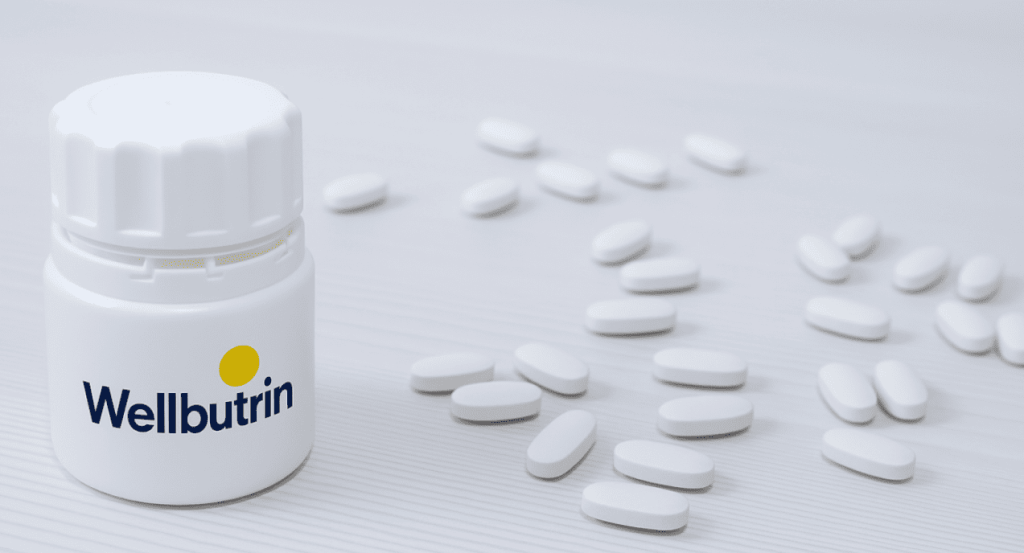
Wellbutrin, known generically as bupropion, stands apart from other antidepressants in both its mechanism and applications. It’s not an opioid; it was initially developed as an antidepressant, but its applications have expanded significantly.
Today, doctors frequently prescribe it for major depressive disorder, seasonal affective disorder, and as an aid for smoking cessation under the brand name Zyban.
Unlike selective serotonin reuptake inhibitors (SSRIs), Wellbutrin works primarily by blocking the reuptake of dopamine and norepinephrine in the brain. This unique action makes it particularly effective for people who haven’t responded well to other antidepressants.
Wellbutrin drug interactions are generally well-documented, though they require careful monitoring. The medication can lower the seizure threshold, making it particularly important to consider when combining with other substances. Its stimulating properties mean it’s typically taken in the morning to avoid sleep disturbances.
What Is Suboxone, and How Does It Work?
Suboxone is a medication that combines two substances: buprenorphine and naloxone.
Buprenorphine is a partial opioid agonist, meaning it activates opioid receptors but produces a “ceiling effect” that limits respiratory depression, which is its key safety feature. Meanwhile, naloxone is an opioid antagonist included to deter intravenous abuse; if someone tries to inject Suboxone, the naloxone becomes active and can precipitate withdrawal.
This medication works by binding to the same mu-opioid receptors that other opioids target, but its partial agonist properties create a unique therapeutic profile. It provides enough opioid activity to prevent withdrawal symptoms and reduce cravings, while its ceiling effect makes overdose less likely compared to full opioid agonists like methadone.
Suboxone side effects can include nausea, headache, constipation, and drowsiness. More concerning are potential interactions with other central nervous system (CNS) depressants, which can increase sedation and respiratory depression risks. The medication requires careful monitoring, especially during initiation and when combined with other substances.
It’s also paramount to understand that Suboxone continues the cycle of dependence as the patient becomes dependent on it, just like any other opioid. People taking this drug will experience Suboxone withdrawal symptoms if they stop the medication abruptly. This is why many individuals seek alternative treatments that can address the root neurobiological causes of opioid dependence rather than managing it with replacement opioids long-term.
Can You Take Wellbutrin and Suboxone Together?
Taking Wellbutrin and Suboxone together is generally considered safe when properly supervised by healthcare providers. Unlike some antidepressants that can increase serotonin levels to dangerous heights when combined with opioids, Wellbutrin’s mechanism makes it less likely to cause serotonin syndrome.
However, this doesn’t mean the combination is completely safe or suitable for everyone; in fact, it may carry a significant risk of serious issues that might impair your health.
A small preliminary study conducted by Mooney et al. explored Wellbutrin used alongside buprenorphine (without naloxone) in opioid- and tobacco-dependent individuals. The findings did not support proceeding to larger trials due to safety and tolerability concerns.
Using Wellbutrin and suboxone for weight loss has become a topic of interest, though neither medication is specifically approved for this purpose. Some people notice weight changes when taking either drug, but using them primarily for weight management isn’t recommended and can be dangerous.
Risks and Dangers of Mixing Wellbutrin and Suboxone

As mentioned, mixing Wellbutrin and Suboxone can carry certain risks and potential dangers. Therefore, before allowing you to take these medications together, your healthcare provider needs to obtain your complete medical history, including any history of head trauma, eating disorders, or other seizure risk factors.
Some of the most common risks of mixing these two medications include:
#1. Increased Seizure Risk
The most significant concern when combining these medications involves seizure risk.
Wellbutrin lowers the seizure threshold, particularly at higher doses or in people with predisposing factors. When combined with Suboxone, especially during dose adjustments or if opioid withdrawal occurs, this risk can be amplified. Specifically, people with eating disorders, head injuries, or alcohol withdrawal history face elevated risks.
#2. Central Nervous System Effects
Both medications affect brain chemistry, though through different pathways. Mixing Wellbutrin and Suboxone can lead to unpredictable CNS effects, including increased anxiety, agitation, or conversely, unexpected sedation. The affected patients may feel energetic but unable to focus effectively, and these effects can interfere with daily functioning and recovery progress.
#3. Medication Interaction Complications
While direct pharmacological interactions between Wellbutrin and Suboxone are minimal, both medications can affect how other drugs are metabolized.
For example, Wellbutrin inhibits certain liver enzymes, potentially altering the effectiveness of other medications. This becomes particularly complex for people taking multiple medications for various health conditions during recovery.
#4. Opioid Overdose Risk During Transitions
Perhaps counterintuitively, the combination can sometimes create a false sense of security that leads to dangerous decisions.
If someone stops taking Suboxone while continuing Wellbutrin, they may underestimate their vulnerability to opioid overdose. Wellbutrin doesn’t provide any protection against opioid overdose, and the antidepressant effects might mask some warning signs of relapse or risky behavior.
How to Safely Take These Medications
When healthcare providers determine that combining Wellbutrin and Suboxone is necessary for your treatment, following specific safety guidelines becomes essential to minimize risks and optimize therapeutic outcomes.
- Always follow prescribed dosages exactly as directed. Never adjust doses without consulting your healthcare provider, as both medications have specific dosing requirements that affect seizure risk and effectiveness. Taking more than prescribed doesn’t improve outcomes and significantly increases the likelihood of adverse effects.
- Avoid alcohol and recreational drugs altogether. Alcohol dramatically increases seizure risk when combined with Wellbutrin and can cause dangerous respiratory depression when mixed with Suboxone. Recreational drugs create unpredictable interactions that can be life-threatening, particularly stimulants that may amplify Wellbutrin’s effects or depressants that compound Suboxone’s sedating properties.
- Inform your doctor about all medications and supplements you’re taking. This includes over-the-counter medications, herbal supplements, and vitamins, as these can interact with both Wellbutrin and Suboxone in unexpected ways. Certain supplements may affect liver metabolism or increase seizure risk.
- Report any unusual symptoms immediately. Contact your healthcare provider if you experience mood changes, increased anxiety, sleep disturbances, or any signs of seizure activity such as confusion, muscle twitching, or unusual sensations.
- Store medications securely and properly. Keep both medications in their original containers, away from heat and moisture, and ensure they’re inaccessible to others, particularly children or individuals with substance use concerns.
Key Takeaways
While generally safe when properly monitored, combining Wellbutrin and Suboxone carries specific risks that require attention.
Let’s reiterate the key points of this guide:
- Both Wellbutrin and Suboxone can lower seizure threshold and affect central nervous system function.
- Other risks associated with this drug combination include medical interaction complications and opioid overdose.
- Regular monitoring by healthcare providers is of paramount importance when taking these medications together.
Related Articles
How Long Does Suboxone Stay in Your System?