Heroin can appear as a powder, a sticky tar-like substance, or a solid coal-like chunk, with colors ranging from white to brown and black. This illicit opioid may also come as a pill or a liquid. “What does heroin look like?” isn’t an easy question to answer. While most prescription opioids come in a defined form, heroin is illegal and therefore unregulated and comes in several different forms.
This article will explore the different types of heroin and their characteristics to help you learn more about this deadly drug. In addition, we will explain how the ultra-modern ANR treatment can help if you or a loved one is struggling with heroin dependence.
What Is Heroin?
Heroin is a potent semi-synthetic opioid derived from morphine, an opium alkaloid that occurs naturally in the opium poppy plant. It can be snorted, injected, or smoked.
All methods of administration are extremely dangerous. However, injecting heroin sends it directly to the bloodstream, increasing the risk of a heroin overdose. Plus, it exposes users to the risk of bloodborne diseases, including HIV/AIDS.
Unlike prescription opioids, such as hydrocodone, heroin has no approved medical uses in the United States and cannot be obtained legally. As an illicit opioid, it is classified as a Schedule I controlled substance and has a very high potential for abuse, dependence, and opioid addiction.
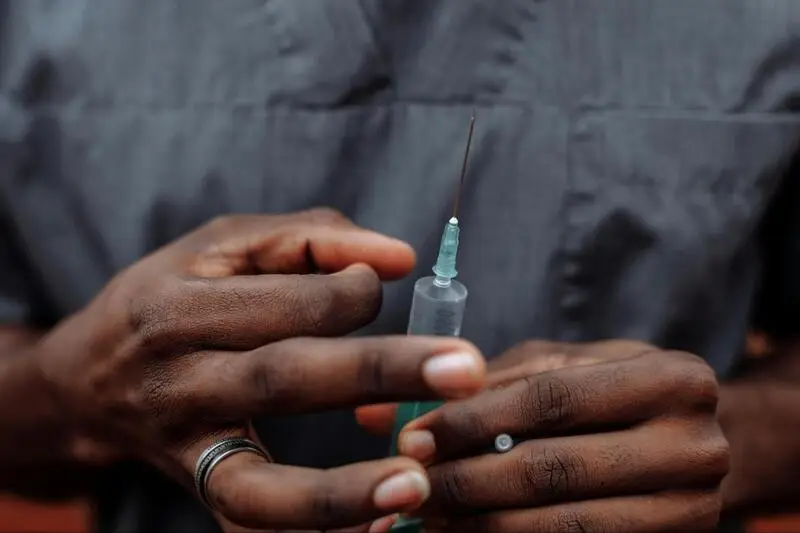
Once consumed, heroin rapidly attaches to the opioid receptors in the central nervous system (CNS), exerting powerful analgesic effects for around 4–5 hours. By triggering sudden dopamine release, it induces intense euphoria and deep relaxation, which increases the potential for abuse and addiction.
Most importantly, this illicit drug exposes users to an extremely high overdose risk. An essential heroin fact to know is that it led to the second wave of the U.S. opioid epidemic.
The number of deaths from heroin overdoses started to rise around 2011 and peaked in 2015 as more and more people addicted to prescription opioids started using heroin as a substitute. In fact, close to 80% of heroin users have previously misused prescription pain relievers, with many resorting to heroin once they could no longer obtain them legally.
Heroin Street Names
Some common heroin street names include:
- H
- Boy
- Junk
- Skag
- Dope
- Harry
- Horse
- Brown
- Diesel
- Smack
- Brown Sugar
- Black Dragon
Now that we’re done with the basics, let’s move on to answering the question: “What does heroin look like?”
What Does Heroin Look Like?
What heroin looks like depends on its form. There are several forms of heroin, including powdered and black tar heroin, which are the most common types found in the United States.
With that in mind, let’s explore this question in greater detail by examining the main forms of heroin and their characteristics:
#1. Powder
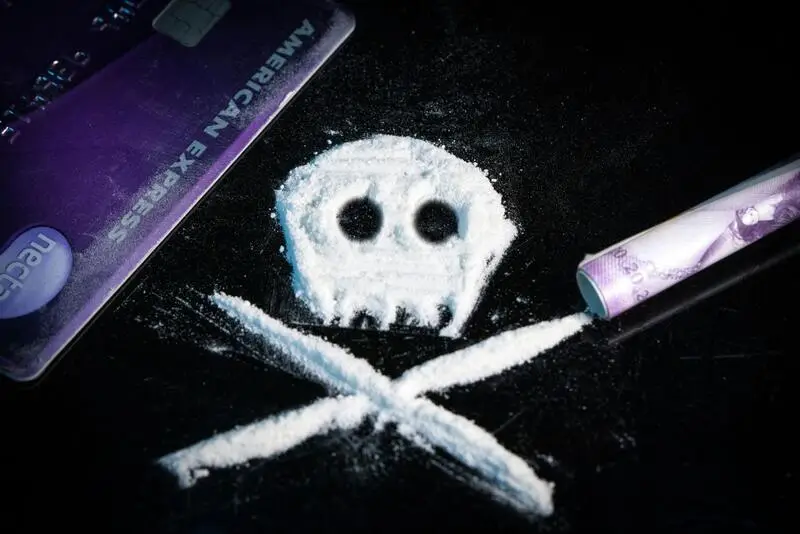
Powdered heroin may look like a fine white powder, a coarse brown powder, or anything in between. It can be snorted, smoked, or injected after being liquified.
The smell of powdered heroin often resembles that of vinegar, whereas its taste tends to be bitter. However, heroin adulterants can alter or mask its taste, as well as affect the intensity of its smell. Pure heroin can even be odorless.
The characteristics of heroin powder usually reveal its purity; the finer the texture and the lighter the color, the more refined it typically is. Depending on the additives present, powdered heroin may also have an off-white, pink, or beige tint.
While white heroin powder is the purest form, brown heroin powder is a form of heroin that hasn’t been fully purified. It tends to be less potent and is sometimes made by crushing black tar heroin.
#2. Black Tar
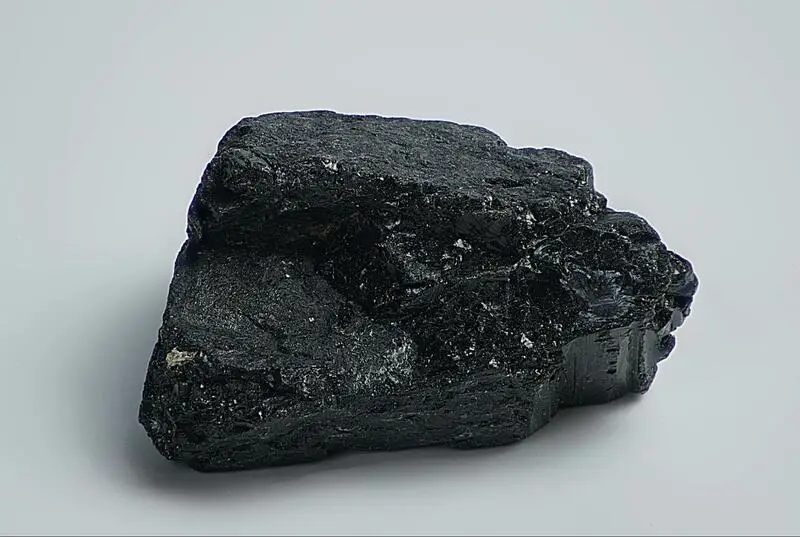
Black tar heroin looks like a solid chunk of coal. It is usually black, but it may also have a brown or orange tint. Its texture is sticky and tar-like, which is how it got its name.
Although black tar heroin can be smoked, snorted, or injected, the latter method of consumption poses unique risks. Those who inject black tar heroin face a high risk of skin infections, heroin-induced venous sclerosis, and abscesses.
Black tar heroin’s appearance reflects its impurity; this is the least pure form of heroin. Although it is typically cheaper and less refined than powdered forms, it can still be very potent. Due to crude processing, it tends to have an intense vinegar-like smell.
#3. Other Forms
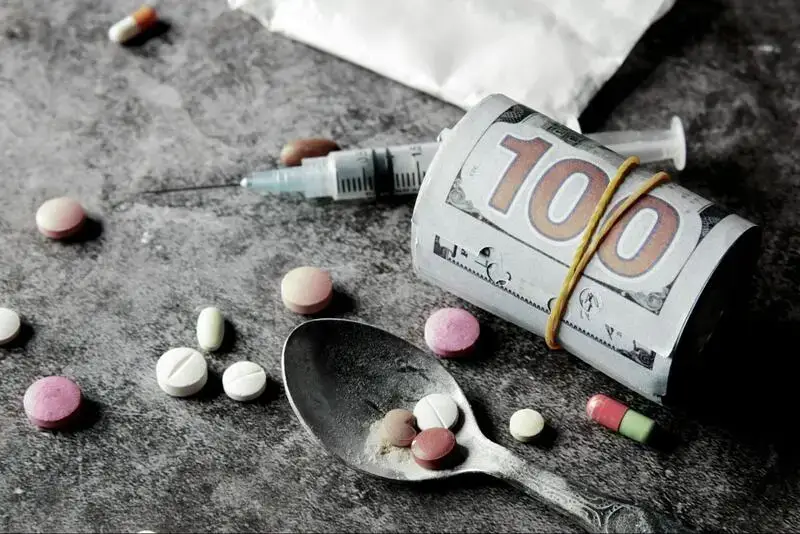
Other forms of heroin include pills, rocks, and liquid.
Heroin is sometimes pressed into white, off-white, or brown tablets or capsules. Although they are often sold as oxycodone or other prescription opioids, they usually don’t have any identifiable markings that prescription drugs must have.
Meanwhile, heroin rocks can be easily mistaken for black tar heroin, as they come as brown or black hard nuggets that may also be sticky. However, rocks differ from black tar heroin in that they are, in fact, clumps of powdered heroin.
Furthermore, some dealers may sell liquid heroin, usually in eyedroppers or syringes. It is produced by mixing black tar heroin with water, resulting in a black or brown color.
Now that we’ve explored the “What does heroin look like?” question, let’s discuss common cutting agents.
What Is Heroin Commonly Cut With?
Heroin is commonly cut with various substances, ranging from sugar to fentanyl. Dealers usually use cutting agents to increase profit. They may either dilute heroin with non-intoxicating substances that have a similar appearance to heroin to increase its volume or mix it with more potent opioids or other drugs to enhance its potency at a low cost.
Some examples of common adulterants include:
- Talc
- Flour
- Chalk
- Sugar
- Starch
- Caffeine
- Fentanyl
- Baking soda
- Baby powder
- Powdered milk
- Laundry detergent
- Crushed over-the-counter medications, such as acetaminophen
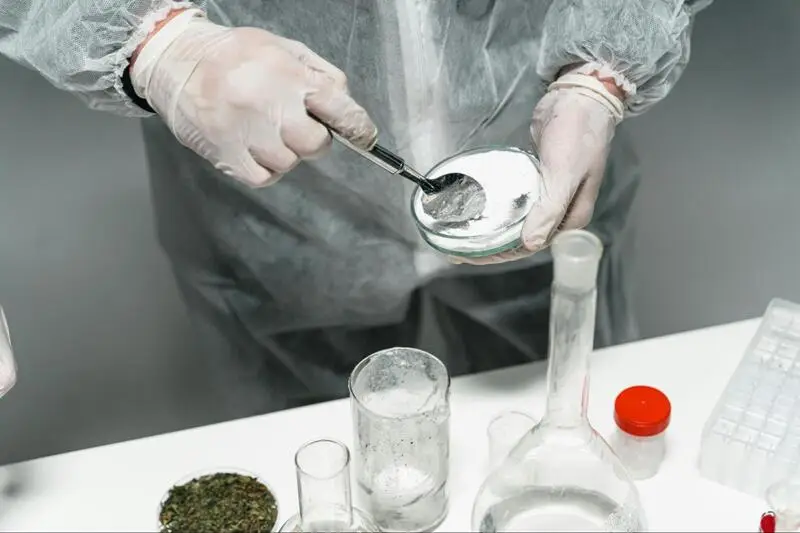
Buying drugs—be they OxyContin or heroin—illicitly is a gamble, as you never know what it is that you’re actually getting. Drugs laced or replaced with fentanyl or other synthetic opioids are particularly dangerous because they may cause a life-threatening overdose at minuscule doses.
Common opioid drug overdose symptoms include:
- Pale skin
- Pinpoint pupils
- Profound sedation
- Extreme confusion
- Unresponsiveness
- Loss of consciousness
- Slowed, shallow breathing
- Choking or gurgling sounds
- Discolored lips or fingernails
- Difficulty staying awake, moving, or talking
Without prompt medical help, an opioid overdose can be deadly. Therefore, it is of vital importance to call 911 if you or someone you know is exhibiting any symptoms of an opioid overdose.
The Importance of Recognizing Heroin
Recognizing heroin is very important because it enables you to avoid accidental exposure to this drug and spot a heroin addiction in a loved one.
Furthermore, people who know what heroin looks like may find it easier to recognize opioid abuse and addiction in loved ones.
Heroin is often sold in Ziploc or paper bags. It may also be wrapped in foil or plastic. If you notice any such packages, especially with a white or brown powder, a dark rock-like chunk, or another substance resembling heroin, it may be a sign that your loved one needs opioid addiction treatment.
Since you’re now aware of why it’s important to know what heroin looks like, let’s learn more about the signs that may indicate that a loved one is using this dangerous drug.
Signs of Heroin Use
Recognizing the signs of heroin use isn’t always easy, as some people go to great lengths to hide their drug use from their loved ones.
Nonetheless, there are certain physical, behavioral, and psychosocial signs that you should look out for if you suspect a loved one may be using heroin.
Let’s see what they are:
#1. Physical Signs
The physical signs of heroin use often include:
- Lethargy
- Slurred speech
- Trouble breathing
- Constricted pupils
- Unexplained weight loss
- Skin problems, such as track marks and abscesses
Furthermore, heroin can cause opioid-induced constipation, leading people to take stool softeners.
#2. Behavioral Signs
Some common behavioral signs that may indicate heroin use, dependence, or addiction include:
- Becoming more irritable or hostile
- Nodding off while talking to others
- Acting more secretive or withdrawn
- Caring less about personal hygiene
- Skin-picking and persistent scratching
- Failing to meet personal or professional obligations
- Showing little, if any, interest in previously enjoyed activities
- Wearing clothes that cover arms and legs even in hot weather
The presence of heroin paraphernalia, such as syringes, needles, spoons, rolled-up dollar bills, pipes, and aluminum foil, may also indicate heroin use.
#3. Psychosocial Signs
Here are some common psychosocial signs of heroin use:
- Confusion
- Mood swings
- Suicidal ideation
- Memory problems
- Poor impulse control
- Changes in social circles
- Deteriorating mental health
If you notice any of these signs in a loved one, address your concerns with them in a gentle, compassionate way and offer them help in heroin addiction recovery. With professional treatment, it is possible to overcome heroin dependence safely and effectively.
ANR Treatment for Opioid Dependence

Developed by Dr. Andre Waismann, Accelerated Neuro-Regulation (ANR) is an innovative treatment that targets the neurobiological causes of opioid dependence, facilitating long-term recovery.
Unlike outdated treatment options for heroin dependence, ANR approaches opioid dependence treatment from a medical, scientifically based perspective. It is carried out under sedation, saving you from the discomfort of going through active heroin withdrawals.
Rather than merely managing the symptoms of opioid dependence, ANR treatment attacks the root by re-regulating the endorphin-receptor system to its original state. This reverses the damage opioid exposure causes to the brain, eliminating opioid withdrawal symptoms. Therefore, after completing the treatment, you’ll no longer have to worry about relapse.
Benefits of Undergoing ANR Treatment
Some of the benefits of undergoing ANR treatment include:
- Patient safety. To ensure patient safety, ANR is performed in an ICU setting of accredited hospitals by a team of highly experienced and compassionate board-certified medical professionals. Plus, the treatment plan is tailored to each patient’s medical history and needs, making it a safe option even for those with co-occurring conditions.
- High success rate. As the first treatment that addresses the root of opioid dependence, ANR has an unmatched success rate. As of today, it has helped nearly 25,000 people worldwide beat opioid dependence once and for all.
- Short treatment duration. With ANR treatment, you can achieve a lasting recovery from heroin dependence within a matter of days. Most ANR patients are discharged from the hospital the day after the procedure and can return home within days.
Meet Max, who overcame heroin dependence with ANR treatment, proving that it is never too late to take back control of your life:
Contact us today for a free, 100% confidential consultation to learn how ANR can help you reclaim the life you deserve.
Key Takeaways
Although “What does heroin look like?” is a complicated question since there are different forms and types of heroin, it is certainly a question worth asking. After all, knowing how to identify heroin can help you avoid accidental heroin exposure and recognize if a loved one is using this dangerous substance.
Finally, let’s summarize what we covered today:
- Heroin is a potent morphine derivative treated as a Schedule I controlled substance.
- What heroin looks like varies widely because it comes in different forms, from a fine white powder to a sticky black chunk resembling coal.
- ANR is a revolutionary opioid dependence treatment that can eradicate heroin dependence within days by returning your nervous system to its normal state.